
Get Started Working Out at the Gym with structured exercise routines performed in a fitness facility equipped with various exercise machines, free weights, and specialized equipment to help individuals improve their physical fitness. These workouts can target different aspects of fitness, such as cardiovascular endurance, strength, flexibility, and overall health.
Gym workouts offer a controlled environment where individuals can work on their fitness goals under the guidance of fitness professionals, trainers, or through self-directed routines. Whether you’re looking to build muscle, lose weight, increase stamina, or simply stay healthy, gym workouts provide a versatile and effective way to achieve your fitness objectives.
Getting Started Working Out at the Gym Guide!
Engaging in gym-based fitness offers a multitude of benefits for individuals looking to improve their health and well-being. Gyms provide access to a wide range of exercise equipment and facilities, allowing you to diversify your workout routine and target specific fitness goals.
Whether you’re aiming to build strength, increase cardiovascular endurance, or enhance flexibility, a gym offers the tools and resources to tailor your workouts effectively. Moreover, the gym environment can be motivating and inspiring, surrounded by like-minded individuals pursuing their fitness journeys.
For those new to gym-based fitness, starting can be both exciting and intimidating. The first step is to define your fitness objectives and create a structured workout plan. Many gyms offer introductory sessions with personal trainers who can help you get started and ensure you’re using equipment safely and effectively.
1. Setting Fitness Goals: Defining your Objectives
Energize Your Life: Best How to Get Started Working Out at the Gym Guide!

Setting fitness goals is a crucial first step in any gym workout journey. These goals act as a roadmap, guiding your exercise routine and helping you stay motivated. Your objectives can vary widely, from losing a certain amount of weight and gaining muscle to improving endurance or flexibility.
Defining clear and achievable goals allows you to tailor your workouts to meet your specific needs, and it provides a sense of purpose that keeps you committed to your fitness routine.
Whether you’re a beginner or an experienced gym-goer, knowing what you want to accomplish is essential for a successful and fulfilling fitness journey.
2. Choosing the Right Gym: Finding your Fitness Home
Energize Your Life: Best How to Get Started Working Out at the Gym Guide!
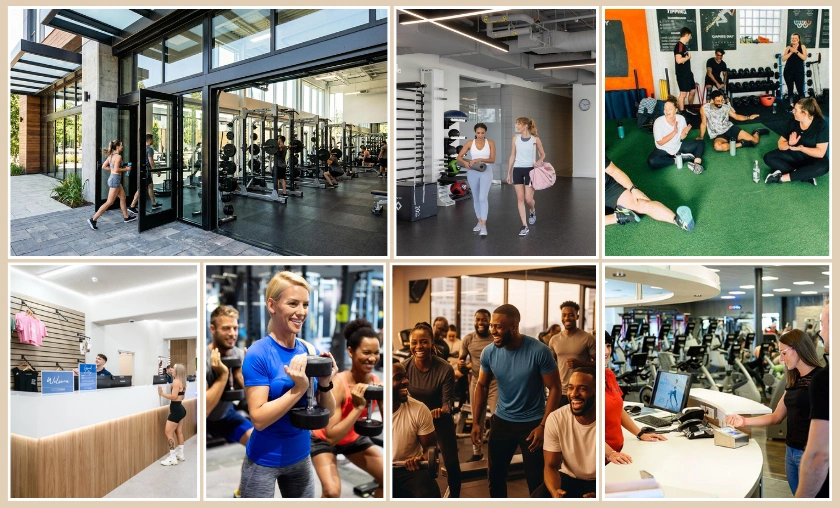
Choosing the right gym is a crucial step in establishing a successful workout routine. Your fitness home should align with your goals, preferences, and lifestyle. Factors like location, hours of operation, equipment availability, and the atmosphere of the gym are essential to consider.
Some prefer the convenience of a 24/7 facility, while others seek group fitness classes or a friendly, supportive community. It’s also wise to check for hygiene, safety measures, and professional staff.
Ultimately, the right gym should inspire and motivate you on your fitness journey, making it a place where you can comfortably work toward your health and wellness goals.
3. Understanding Gym Equipment: Navigating the Basics
Energize Your Life: Best How to Get Started Working Out at the Gym Guide!
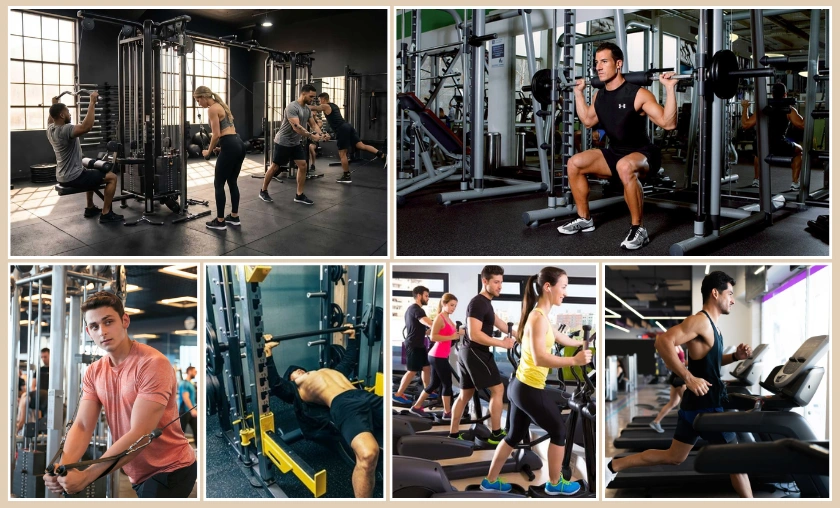
Understanding gym equipment is crucial for an effective workout routine. Gyms are equipped with various machines, each designed to target specific muscle groups and fitness goals. From treadmills and ellipticals for cardio to weight machines and free weights for strength training, knowing how to use these tools safely and efficiently is essential.
Take the time to learn proper techniques and consider seeking guidance from fitness professionals or trainers to maximize the benefits of your gym equipment and minimize the risk of injury.
4. Creating a Workout Plan: Structuring your Routine
Energize Your Life: Best How to Get Started Working Out at the Gym Guide!
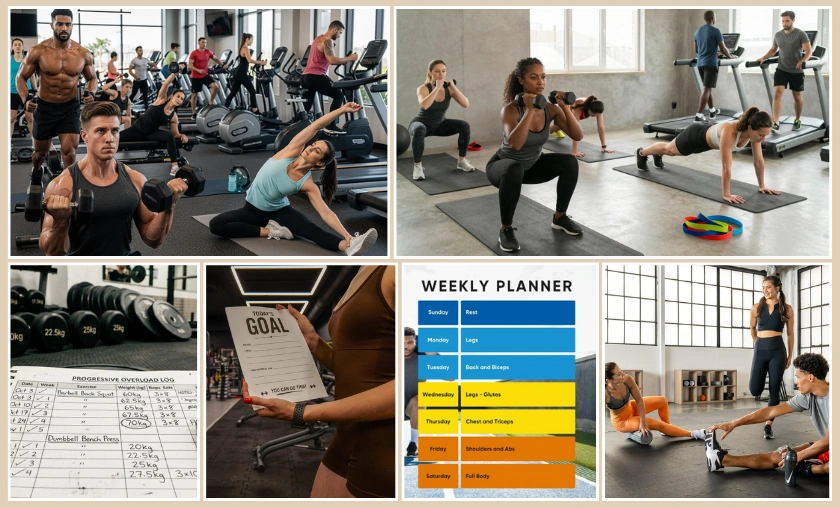
Creating a workout plan is like charting a roadmap to your fitness goals. It involves setting clear objectives, choosing appropriate exercises, and scheduling your workouts. A well-structured plan not only keeps you on track but also optimizes your time at the gym. Whether your goal is building muscle, losing weight, or improving overall fitness, a carefully crafted workout plan can make a significant difference in your progress.
It ensures that you’re targeting the right muscle groups, progressing at a suitable pace, and allowing for essential rest and recovery periods.
5. Warming Up & Cooling Down: Injury Prevention
Energize Your Life: Best How to Get Started Working Out at the Gym Guide!

Warming up and cooling down are essential components of any effective exercise plan, primarily for injury prevention. Before your workout, a proper warm-up increases blood flow to your muscles, raises your body temperature, and readies your body for more intense activity. This reduces the risk of strains and sprains.
On the flip side, cooling down after your workout helps your body gradually return to its resting state, preventing blood from pooling in your extremities.
Incorporating these routines into your fitness regimen not only enhances your performance but also safeguards your body from potential injuries.
6. Strength Training: Building Muscle & Stamina
Energize Your Life: Best How to Get Started Working Out at the Gym Guide!
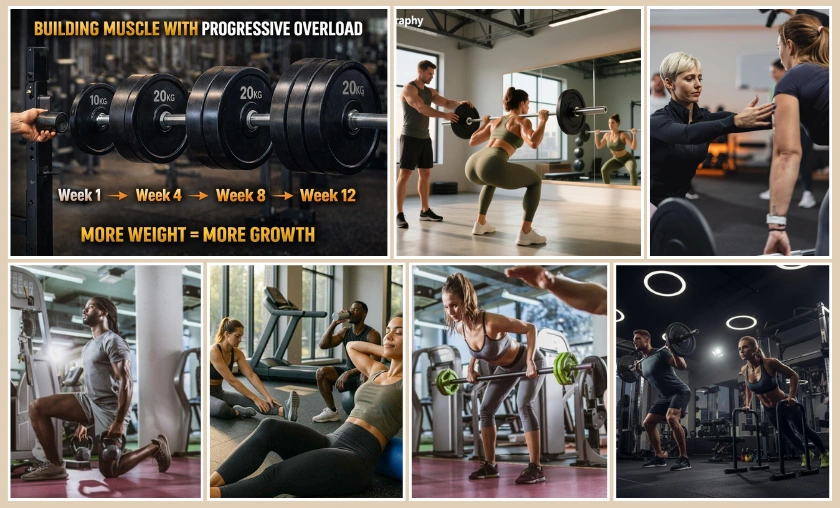
Strength training is a fundamental component of a well-rounded fitness routine. It involves working your muscles against resistance, whether through weights, resistance bands, or bodyweight exercises. This form of exercise not only helps you build lean muscle mass but also enhances endurance and overall stamina.
Strength training offers numerous benefits, including increased metabolism, improved bone density, and better functional fitness. It’s an essential part of any workout plan, contributing to a stronger, healthier body.
7. Cardiovascular Workouts: Boosting Endurance
Energize Your Life: Best How to Get Started Working Out at the Gym Guide!

Cardiovascular workouts, often referred to as cardio or aerobic exercises, play a vital role in improving endurance and overall cardiovascular health. These exercises elevate your heart rate, increasing blood flow and oxygen delivery to muscles and vital organs. Engaging in activities like running, swimming, cycling, or brisk walking can enhance lung capacity, lower resting heart rate, and improve stamina.
Cardiovascular workouts are also effective for burning calories, aiding in weight management, and reducing the risk of chronic diseases such as heart disease and diabetes.
Including cardio in your fitness routine helps you build the endurance needed to tackle everyday activities and enjoy a healthier, more active lifestyle.
8. Proper Form & Technique: Maximize Results, Minimize Risk
Energize Your Life: Best How to Get Started Working Out at the Gym Guide!
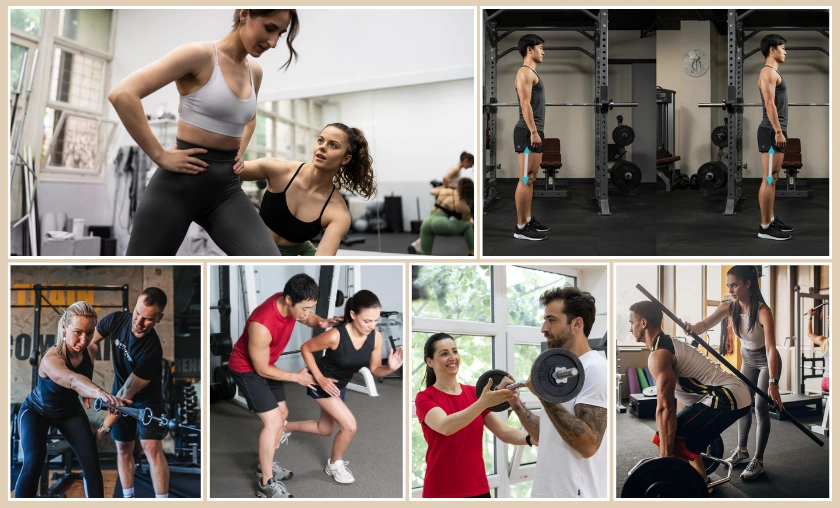
Proper form and technique are paramount in any workout routine. By ensuring you perform exercises correctly, you not only maximize the effectiveness of each movement but also minimize the risk of injury.
Whether you’re lifting weights, doing bodyweight exercises, or engaging in cardio workouts, focusing on good form ensures that you target the right muscle groups, achieve better results, and maintain a safe and sustainable fitness journey. It’s important to start with lighter weights or resistance and gradually progress as your form improves to prevent straining your muscles or joints.
Additionally, seeking guidance from a fitness professional or trainer can be invaluable in perfecting your form and technique.
9. Staying Motivated: The Key to Consistency
Energize Your Life: Best How to Get Started Working Out at the Gym Guide!
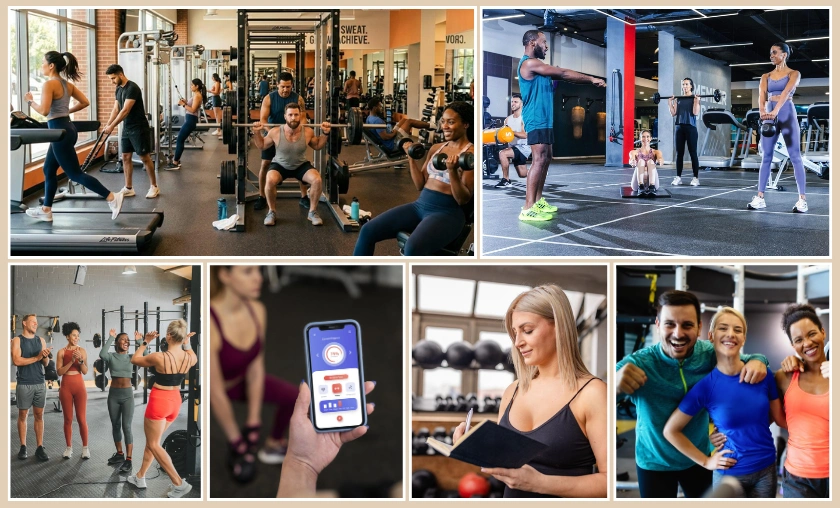
Staying motivated is the linchpin of a consistent workout routine. It’s that inner drive that keeps you coming back to the gym, hitting the pavement for a run, or showing up for your home workouts day after day. Motivation is a highly personal aspect of fitness; what inspires one person may not work for another. It can come from setting and achieving goals, enjoying the process, tracking progress, or finding a workout buddy or community.
The key is to identify what sparks your motivation and use it to maintain consistency in your fitness journey. Remember, motivation can ebb and flow, but cultivating habits and discipline will help keep you on track even on those days when motivation is low.
Conclusion
Embarking on a fitness journey by starting to work out at the gym is a transformative step toward a healthier and more active lifestyle. This article has provided valuable insights and guidance for beginners, emphasizing the importance of setting realistic goals, seeking professional advice, and understanding the fundamentals of gym etiquette and safety.
Getting started at the gym may feel intimidating initially, but with the right mindset and a well-structured workout plan, you can overcome any barriers and make significant progress. Consistency is key, and as you continue your fitness journey, you’ll not only witness physical changes but also experience the countless mental and emotional benefits that regular exercise brings.
FAQ’s (Frequently Asked Questions)
While a balanced diet is essential for overall health, you don’t need a strict diet to begin working out at the gym. Focus on a nutritious diet that supports your energy needs and complements your fitness goals. Consulting with a registered dietitian can provide personalized guidance.
Stay motivated by tracking your progress, setting new goals, and varying your workouts to prevent boredom. Consider working out with a friend, hiring a personal trainer, or participating in group fitness classes for added motivation.
Always warm up before exercising and use proper form to prevent injuries. Start with lighter weights to build strength gradually, and listen to your body—rest when needed.
Proper gym etiquette includes wiping down equipment after use, re-racking weights, and allowing others to work in between sets. Use headphones for music, refrain from hogging equipment, and respect personal space.
Remember that everyone starts somewhere, and most gym-goers are focused on their own workouts. Consider working out during off-peak hours to reduce crowds, and remind yourself that progress is gradual and personal.
Subscribe to our list
Don't worry, we don't spam
To read more similar articles, click here
Thanks for visiting our Website. If you appreciate our work, kindly show us some support in our comments section 🙂