
Best Exercises for Improving Your Balance and Coordination in Sports! Having stellar balance and coordination is a cornerstone of athletic success. Whether you’re a seasoned soccer player or a newbie on the basketball court, these skills are crucial for navigating complex movements, maximizing agility, and preventing injuries. But how do you refine these abilities and take your game to the next level?
This comprehensive guide explores the top exercises to enhance your balance and coordination, along with insights into their benefits and how to incorporate them into your training routine.
Why Balance & Coordination Matter in SportsUnleash Your Inner Powerhouse
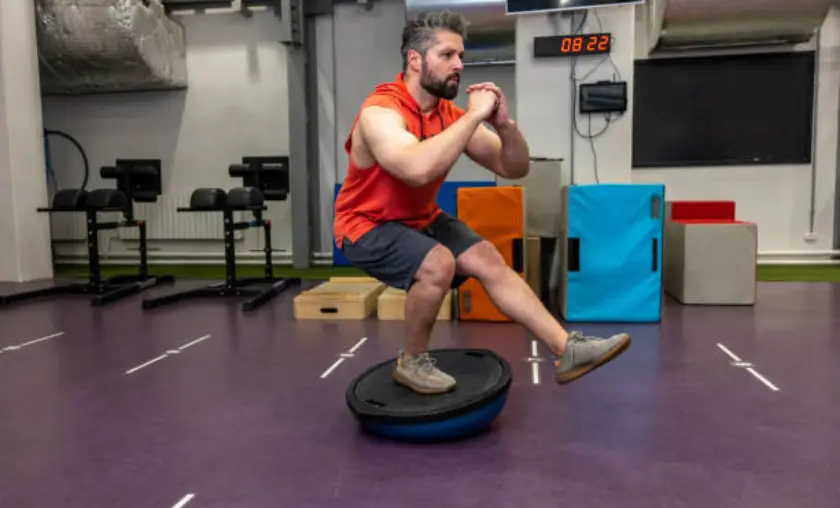
Balance and coordination are the cornerstones of athletic success. Balance refers to your body’s ability to maintain a center of gravity over your base of support, like a gymnast holding a handstand or a soccer player pivoting to receive a pass. Coordination, on the other hand, involves the seamless integration of your nervous system and muscular movements. Think of a running back weaving through defenders – their nervous system is constantly interpreting visual cues and sending messages to the muscles to adjust footwork, maintain balance, and propel them forward efficiently.
These Fundamental Skills Are Crucial for Several Reasons:
Agility:
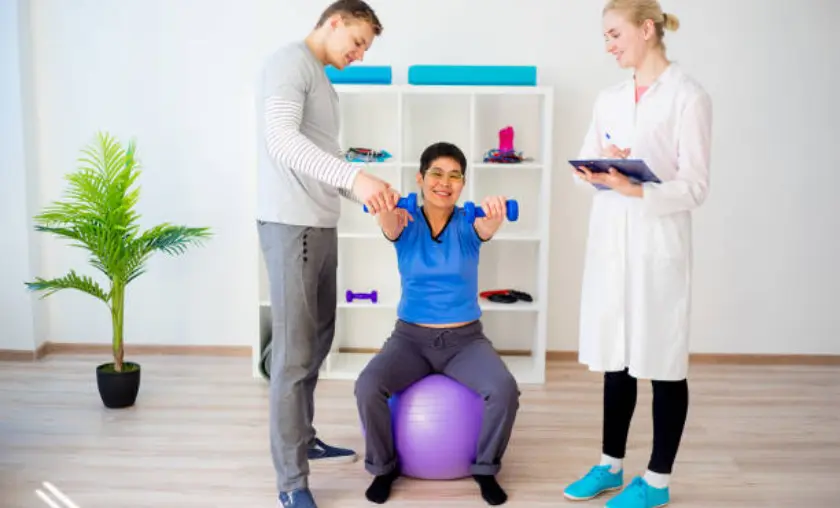
Imagine a basketball player needing to react instantly to a loose ball or a tennis player changing direction to chase down a shot. Without good balance and coordination, these movements become sluggish and imprecise, hindering your ability to react quickly and change direction efficiently during gameplay.
Injury Prevention:
Awkward landings, slips, and falls are common occurrences in many sports. Strong balance and coordination help you maintain control of your body, absorbing impact and minimizing the risk of injuries like sprained ankles, pulled muscles, and even more serious collisions.
Performance Enhancement:
Executing complex maneuvers with precision and control is the hallmark of a skilled athlete. Whether it’s a baseball player hitting a home run, a volleyball player spiking the ball, or a figure skater performing intricate jumps, balance and coordination allow you to move with fluidity, power, and accuracy, elevating your overall performance.
Improved Reaction Time:
In the fast-paced world of sports, milliseconds can make a difference. Good balance and coordination improve your ability to process visual information and translate it into rapid movements. You’ll be able to react swiftly to sudden changes in the game, gaining an edge over your opponent.
By honing your balance and coordination, you’ll become a more agile, adaptable, and efficient athlete, paving the way for peak performance and a lower risk of injuries.
Top Exercises to Boost Balance & Coordination
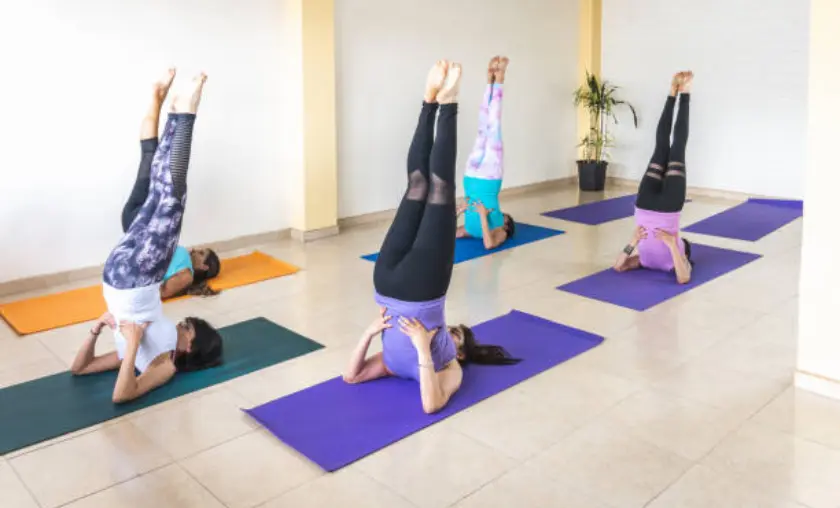
Here’s a breakdown of effective exercises categorized by their focus, designed to elevate your balance and coordination:
Balance-Enhancing Exercises:
Single-Leg Stance:
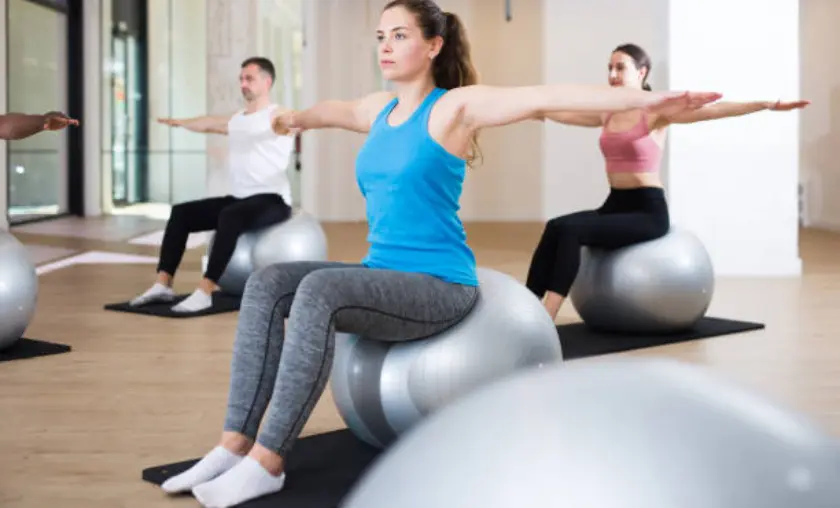
This foundational exercise strengthens your ankles, knees, and core, all crucial for maintaining balance. Start by standing on one leg for 30 seconds, gradually increasing hold time as you get stronger. To challenge yourself further, close your eyes or perform the stance on an unstable surface like a wobble board.
Heel-Toe Walking:
This simple yet effective drill improves balance and coordination in your lower body. Walk heel-to-toe in a straight line, forcing your body to constantly adjust and maintain stability. As you progress, try increasing your walking speed or incorporating turns.
Single-Leg Deadlift:
This exercise strengthens your core, glutes, and hamstrings, all of which contribute to balance. Hold a weight in one hand (dumbbell or kettlebell) and hinge at the hips while extending the opposite leg behind you. Maintain a flat back and keep your core engaged throughout the movement.
Bird Dog:
This exercise enhances core stability and proprioception (your body awareness in space). Start on all fours, extend one arm and the opposite leg simultaneously, keeping your back flat and core engaged. Hold for a few seconds before switching sides. Variations include performing the exercise with a medicine ball between your hand and extended leg for an added challenge.
Benefits:
These exercises provide a solid foundation for better balance and coordination. They strengthen the muscles that support your joints, improve your ability to control your body’s position, and enhance proprioception, allowing you to react more effectively to changes in your environment.
Core Strengthening ExercisesYour Body’s Powerhouse
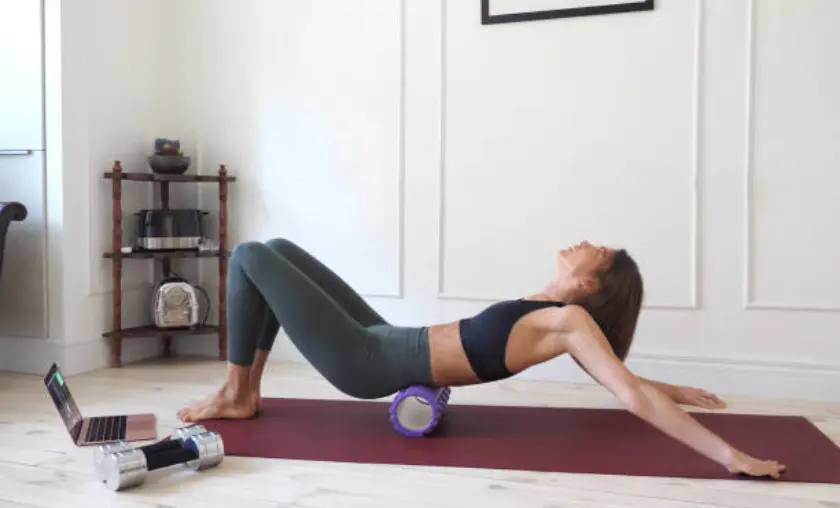
Your core is the foundation for balance and stability, acting like a central hub that connects your upper and lower body. Strong core muscles provide a stable base for all your movements, allowing you to transfer power efficiently and maintain proper posture. This translates directly to better balance and coordination on the field. Here are some core-focused exercises to target different aspects of your core:
Plank:
This classic exercise is a must-do for core strength. Start in a push-up position with your forearms on the ground, forming a straight line from head to toe. Engage your core and glutes to prevent your hips from sagging. Hold for 30 seconds to 1 minute, gradually increasing the hold time as you get stronger. Variations include the high plank (performed on hands) and side planks (targeting your obliques).
Side Plank:
Similar to the plank, but performed on one side, this exercise specifically targets your obliques, the muscles on the sides of your torso that help you rotate and bend your spine. Prop yourself up on one elbow, keeping your body in a straight line and your hips stacked. Hold for 30 seconds to 1 minute per side.
Dead Bug:
This exercise challenges your core stability and control. Lie on your back with legs raised at a 45-degree angle and arms extended towards the ceiling. Slowly lower one leg and the opposite arm towards the ground, while maintaining a slight arch in your lower back and keeping your core engaged. Don’t let your lower back press against the ground. Hold for a beat before returning to the starting position. Repeat by lowering the opposite leg and arm.
Hollow Body Hold:
This exercise strengthens your entire core, including your abs, obliques, and lower back. Lie on your back with your lower back pressed into the ground. Lift your shoulders and legs slightly off the ground, engaging your core to form a slight “C” curve with your spine. Hold for as long as you can with proper form.
Benefits:
As you get stronger with these exercises, consider adding weight with a weighted vest or holding a medicine ball between your chest or hands during planks. You can also increase the difficulty by performing the exercises on an unstable surface like a yoga ball.
Plyometric ExercisesUnleash Your Inner Powerhouse
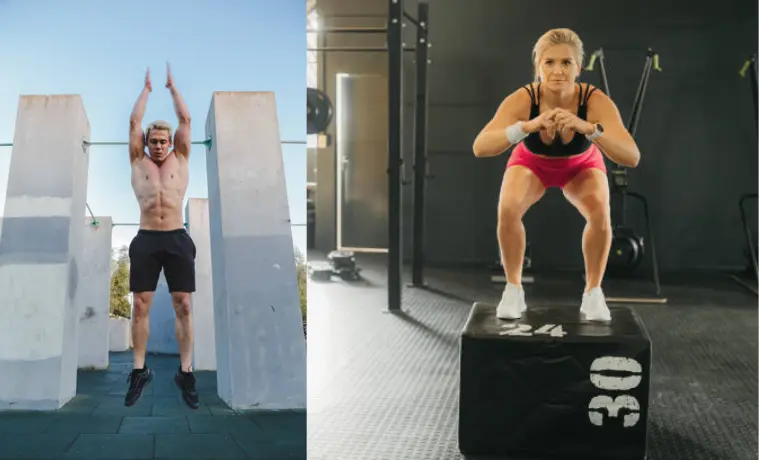
Plyometric exercises are the secret weapon for athletes seeking to elevate their performance to explosive new heights. These dynamic exercises involve rapid, powerful movements that train your muscles to generate maximum force in a short amount of time. By incorporating plyometrics into your routine, you’ll reap a multitude of benefits that translate to unmatched athletic prowess:
Developing Unrelenting Agility:
Plyometrics challenge your nervous system and muscles to react and adapt quickly to changing directions with explosive power. This translates to unmatched agility on the field, allowing you to weave past defenders, react swiftly to sudden changes in the game, and dominate the competition with your agility.
Boosting Jumping Ability:
Whether you’re a basketball player soaring for rebounds or a volleyball player reaching for a high spike, plyometrics are your key to reaching new heights. These exercises train your fast-twitch muscle fibers to contract with explosive power, propelling you vertically with greater force and control.
Enhancing Reaction Time:
In the fast-paced world of sports, milliseconds matter. Plyometrics train your nervous system to react with lightning speed. You’ll anticipate your opponent’s moves quicker, react instantly to changing situations, and seize fleeting opportunities that give you the edge you need to win.
Examples of Plyometric Exercises:
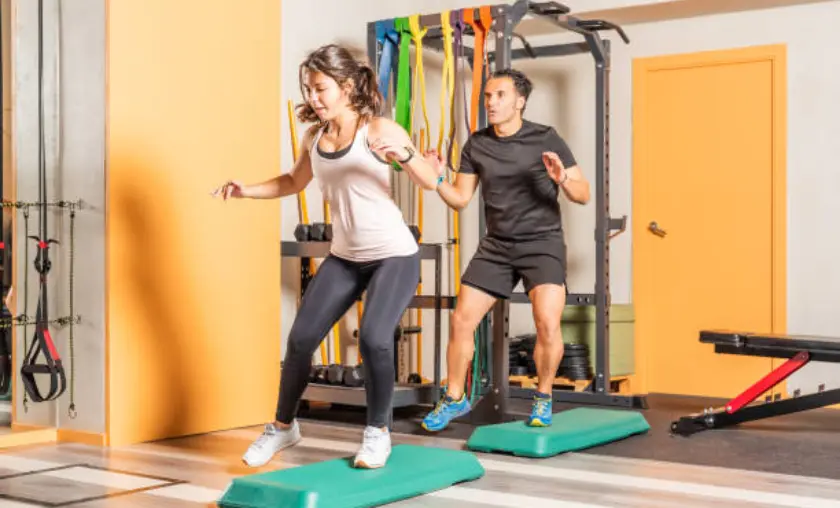
Here are a few exercises to get you started on your journey to becoming a plyometric powerhouse:
Benefits:
The benefits of plyometrics extend far beyond developing explosive power. These exercises also challenge your balance and coordination significantly. As you strive to maintain control during rapid movements and landings, your balance and coordination will improve in tandem, making you a more well-rounded and adaptable athlete.
Coordination-Enhancing ExercisesSharpen Your Mind-Body Connection
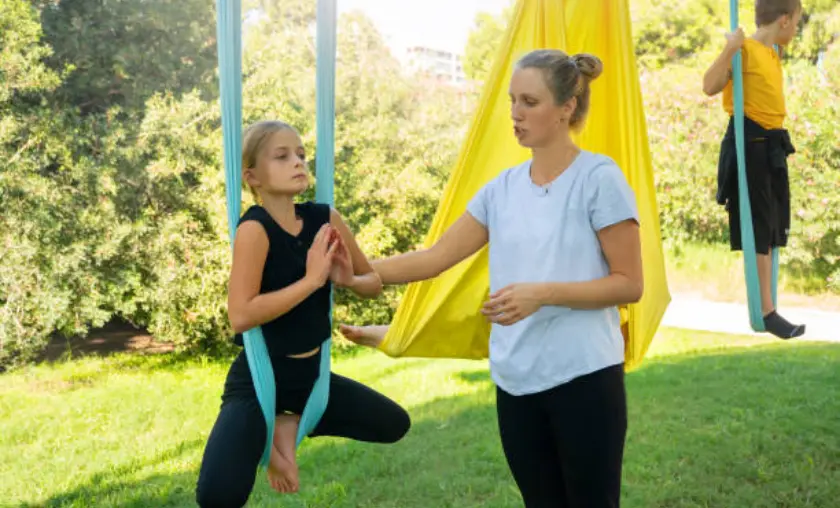
Coordination goes beyond just balance; it’s the seamless integration of your nervous system and muscular movements. Here are some drills designed to enhance your hand-eye coordination and body awareness, making you a more well-rounded athlete:
Jump Rope:
Don’t underestimate the power of this classic exercise. Jumping rope improves footwork, rhythm, and coordination in a fun and engaging way. Start with a basic single-under jump and progress to double-unders or more complex patterns as your skills develop.
Ball Drills:
Dribbling a basketball, soccer ball, or any other ball while walking, running, or changing directions challenges your hand-eye coordination and footwork simultaneously. You can also incorporate variations like dribbling with both hands, behind your back, or through cones to further enhance the difficulty.
Juggling:
Juggling isn’t just a circus trick; it’s a fantastic way to improve hand-eye coordination, focus, and dexterity. Start with two or three balls and gradually increase the number as you get more comfortable. There are many online tutorials and resources to help you learn different juggling patterns.
Ladder Drills:
These drills are a staple in many sports training programs for a reason. Moving your feet quickly in and out of a ladder pattern improves agility, footwork, and coordination. You can perform various drills like high knees, carioca, or lateral shuffles, all while focusing on maintaining a controlled and efficient movement pattern.
Beyond the Exercises:
These drills provide a solid foundation for better coordination, but consider incorporating other activities that challenge your mind-body connection:
By incorporating these exercises and activities into your routine, you’ll develop a sharper mind-body connection, translating to better hand-eye coordination, agility, and overall athletic performance
Building a Balance & Coordination Training RoutineUnlock Your Athletic Potential
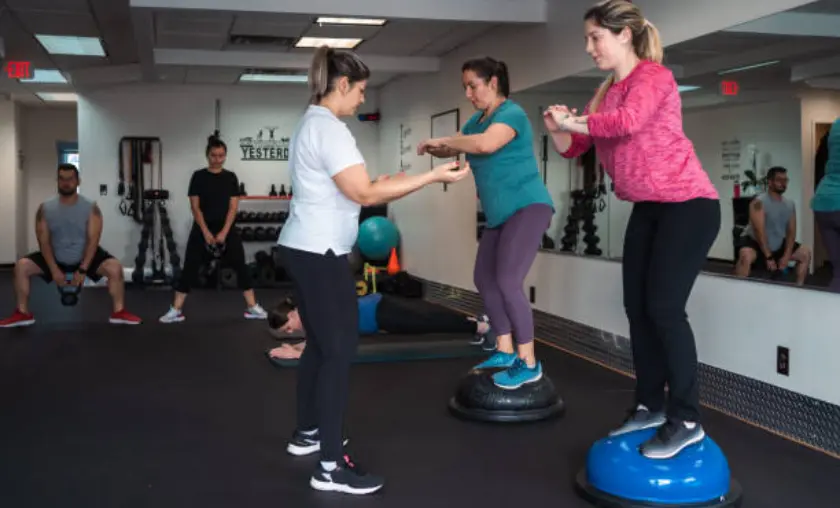
Now that you’ve explored a variety of exercises, it’s time to craft a personalized balance and coordination training routine. Here are some key tips to help you integrate these exercises effectively:
Benefits:
Incorporate Balance Throughout Your Day: Look for opportunities to subtly challenge your balance throughout your daily activities. Stand on one leg while brushing your teeth, walk heel-toe around the house, or try yoga poses while waiting in line. These small efforts can add up and reinforce your balance training.
Sample Balance & Coordination WorkoutUnleash Your Inner Powerhouse
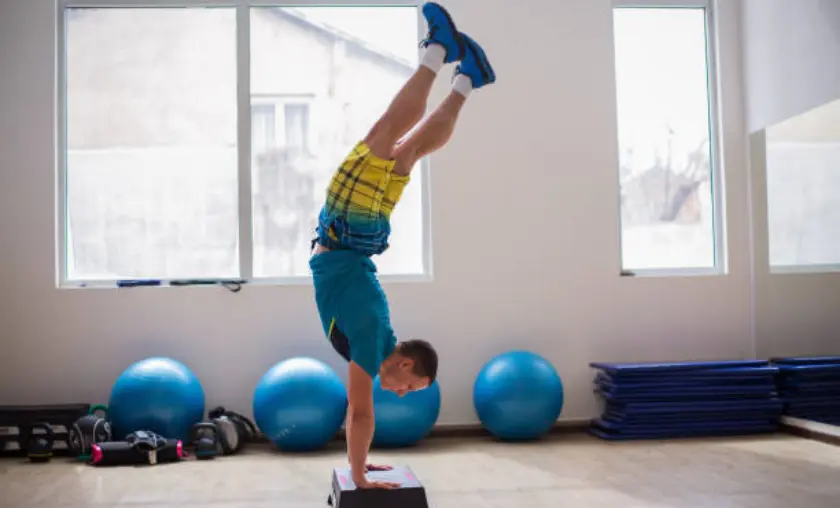
This sample workout incorporates exercises from different categories, providing a well-rounded approach to improve your balance, coordination, and athletic performance. Remember to adjust the difficulty and number of sets/repetitions based on your fitness level.
- Light Cardio: Get your blood flowing with 5 minutes of light cardio. This could be jogging in place, jumping jacks, or high knees.
- Dynamic Stretches: Prepare your muscles for movement with dynamic stretches like arm circles, leg swings, lunges with torso twists, and inchworms.
- Plank: Get into a push-up position with your forearms on the ground. Keep your body in a straight line from head to toe, engaging your core and glutes to prevent your hips from sagging. Hold for 30 seconds to 1 minute.
- Side Plank: Similar to the plank, but performed on one side, this exercise targets your obliques. Prop yourself up on one elbow, keeping your body in a straight line and your hips stacked. Hold for 30 seconds per side.
- Single-Leg Stance: Stand on one leg, keeping your core engaged and your posture tall. Hold for 30 seconds, then switch legs. To increase difficulty, close your eyes or perform the exercise on an unstable surface like a wobble board.
- Bird Dog: Start on all fours with your hands shoulder-width apart and knees hip-width apart. Extend one arm and the opposite leg simultaneously, keeping your back flat and core engaged. Hold for 30 seconds, then switch sides.
- Ball Drills: Dribble a basketball while performing various footwork patterns. Start by walking forward, backward, and side-to-side, focusing on maintaining control of the ball. Then, incorporate changes in direction, lunges, and shuffles to increase the challenge.
- Static Stretches: Hold static stretches for each major muscle group for 15-30 seconds to improve flexibility and prevent muscle soreness. Focus on your quads, hamstrings, calves, glutes, chest, back, and shoulders.
This is just a sample workout. Feel free to tailor it to your specific sport, fitness level, and goals. Here are some ways to customize your workout:
By incorporating this type of balance and coordination training into your routine 2-3 times per week, you’ll develop a well-rounded foundation that translates to improved performance, better agility, and a reduced risk of injuries.
Additional Tips for Enhancing Balance & CoordinationBecome a Master of Movement
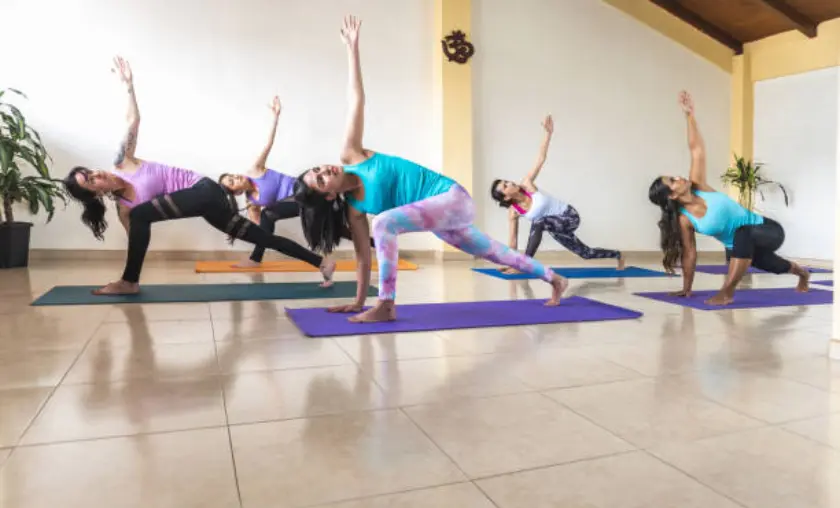
Beyond the exercises themselves, here are some lifestyle practices that can further supercharge your balance and coordination, turning you into a well-oiled machine:
Maintain a Healthy Weight:
Carrying excess weight can significantly impact your center of gravity, making balance a constant challenge. Focus on a balanced diet and regular exercise to maintain a healthy weight for your body type.
Prioritize Sleep:
When you’re sleep-deprived, your cognitive function and reaction times suffer. Aim for 7-8 hours of quality sleep each night to allow your body and mind to fully recover, which significantly benefits coordination.
Stay Hydrated:
Proper hydration is crucial for optimal muscle function and nervous system communication. Dehydration can lead to muscle fatigue and sluggish reflexes, hindering your balance and coordination. Make sure to drink plenty of water throughout the day, especially before, during, and after exercise.
Mind-Body Connection:
Remember: Consistency is Key
By consistently incorporating balance and coordination training into your routine, along with these lifestyle practices, you’ll transform yourself into a more agile, well-rounded athlete. You’ll not only elevate your performance on the field but also reduce your risk of injuries from falls or sudden movements. So lace up your shoes, grab a ball, and get ready to take your game (and balance!) to the next level!
Conclusion
Balance and coordination are fundamental skills for athletes of all levels. By incorporating the exercises and tips outlined in this guide, you can significantly enhance your stability, agility, and overall athletic performance.
Remember, consistency is key. Make balance and coordination training a regular part of your routine, and you’ll be well on your way to becoming a more confident and capable athlete.
FAQ’s
Start with bodyweight exercises that focus on single-leg stance (holding for short periods), planks, and basic marching with high knees or butt kicks. Focus on form over speed, and gradually increase hold times or repetitions as you get stronger.pen_spark
Make it a game! Try partner drills where you challenge each other to balance poses or incorporate a ball. There are also online resources with creative balance challenges or apps that track your progress.pen_spark
Absolutely! Stand on one leg while brushing your teeth, walk heel-toe around the house, or try yoga poses while waiting in line. These small efforts add up and reinforce your balance training.
Aim for 2-3 dedicated sessions per week, spaced out from your main training days. Consistency is key, but don’t overdo it – listen to your body and take rest days when needed.pen_spark
Definitely! Look for exercises that mimic the movements you use most in your sport. For example, a soccer player could incorporate agility ladder drills or footwork drills with a resistance band.pen_spark
Yes! Many balance and coordination exercises require nothing but your bodyweight. You can also use household items like a medicine ball or a filled water bottle to add some variety.pen_spark
Everyone progresses at their own pace, but with consistent effort, you should start feeling more confident and balanced within a few weeks. Remember, progress is a journey, not a destination!pen_spark
Getting enough sleep, staying hydrated, and maintaining a healthy weight can all contribute to better balance and coordination. Additionally, activities like yoga or tai chi can improve body awareness and proprioception (your sense of body position).pen_spark
If you experience persistent dizziness or lightheadedness, it’s always best to consult a doctor before continuing. They can help you rule out any underlying medical conditions.pen_spark
Don’t get discouraged! There could be a few reasons for this. Make sure you’re focusing on proper form and progressing gradually. Additionally, consider working with a qualified trainer who can assess your specific needs and provide tailored guidance.
To read more similar articles, click here
Thanks for visiting our Website. If you appreciate our work, kindly show us some support in our comments section 🙂