
In an age where dietary choices are pivotal to our well-being, this exploration delves into the art and science of crafting a Balanced Diet that harmonizes diverse food groups to meet your body’s needs. From the vibrant colors of fruits and vegetables to the sustenance of lean proteins and complex carbohydrates, this article guides you through the intricacies of achieving a balanced and wholesome eating plan.
By understanding the significance of variety, portion control, and mindful choices, you’ll be empowered to foster optimal health, energy, and overall vitality. Prepare to embark on a journey that equips you with the tools to enjoy food that fuels your body and nourishes your soul.
Understanding Macronutrients
Carbohydrates, Proteins, & Fats
Macronutrients, often called macros, are the essential nutrients our bodies need in relatively large quantities to function properly. They include carbohydrates, proteins, and fats. Each macronutrient serves a unique role in our diet. Carbohydrates are our primary source of energy, while proteins are crucial for building and repairing tissues, and fats play various roles, including supporting cell growth and protecting organs.
Role of Macronutrients in a Balanced Diet
Understanding macronutrients is essential for maintaining a balanced diet and ensuring that our bodies receive the necessary nutrients for optimal health and performance.
Micronutrients
Essential Vitamins & Minerals
Micronutrients, such as vitamins and minerals, are the unsung heroes of a balanced diet. While needed in smaller quantities than macronutrients, they play vital roles in our overall health. Vitamins, like vitamin C and D, are essential for various bodily functions, including immune support and bone health.
Minerals, such as calcium and iron, help maintain strong bones and ensure proper oxygen transport in the blood. A diet rich in fruits, vegetables, nuts, and whole grains is a great way to ensure you get the micronutrients your body needs to thrive.
Importance of Micronutrients for Overall Health
These tiny nutrients wield enormous influence over our well-being and are essential for a healthy, vibrant life.
The Importance of Fiber
Aiding Digestion & Health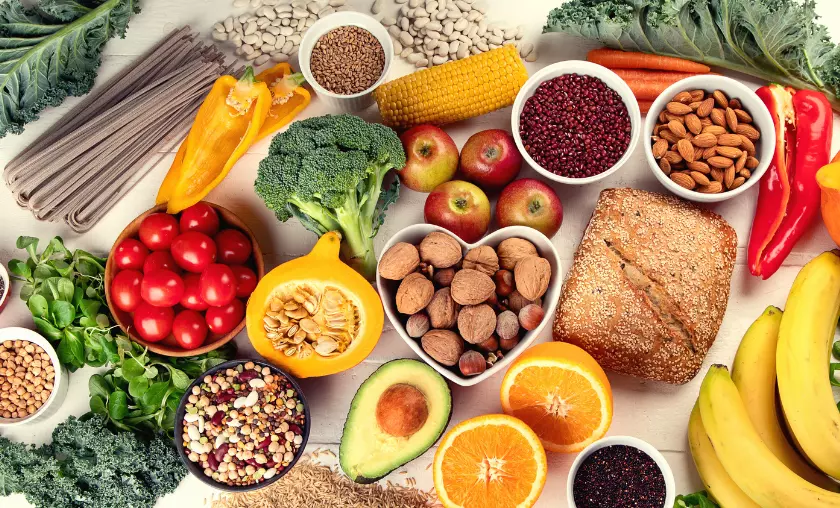
Fiber is essential to a healthy diet, crucial to digestive health and overall well-being. Found in fruits, vegetables, whole grains, and legumes, fiber adds bulk to your diet, aiding in regular and efficient digestion. It helps prevent constipation by softening and adding moisture to stool.
Beyond its digestive benefits, fiber can help manage weight, control blood sugar levels, and lower the risk of heart disease by reducing cholesterol levels. Incorporating fiber-rich foods into your diet is a simple yet effective way to promote a healthier, happier you.
- Digestive Health: Fiber promotes regular bowel movements and helps prevent constipation by adding bulk to stool and aiding its passage through the digestive tract.
- Weight Management: High-fiber foods are often filling, which can help control your appetite and reduce overall calorie intake, making it easier to manage your weight.
- Blood Sugar Control: Soluble fiber, found in foods like oats and legumes, can slow the absorption of sugar and help stabilize blood sugar levels, which is beneficial for individuals with diabetes.
- Heart Health: A diet rich in fiber can lower cholesterol levels, particularly LDL (“bad”) cholesterol. This, in turn, reduces the risk of heart disease.
- Gut Health: Certain types of fiber, known as prebiotics, promote the growth of beneficial gut bacteria, which can contribute to a healthy digestive system and overall well-being.
Including a variety of fiber sources in your diet, such as fruits, vegetables, whole grains, and legumes, can help you reap these benefits and maintain a balanced and nutritious eating plan.
Balanced Diet for Different Life Stages
Infants to Seniors
Maintaining a balanced diet is essential across all life stages, from infancy to senior years. Breast milk or infant formula provides crucial nutrients for growth and development. Toddlers and children need a well-rounded diet rich in vitamins, minerals, and protein to support their active lifestyles and development.
Adolescents require nutrient-dense foods to fuel growth spurts, while adults should focus on maintaining a balanced diet to support overall health and prevent chronic conditions. Nutrient needs may change as we age, and seniors should emphasize foods high in calcium and vitamin D for bone health and lean proteins for muscle maintenance.
Nutritional Needs at Various Life Stages
- Infancy (0-2 years): Proper nutrition is crucial for rapid growth and development during infancy. Infants need ample breast milk or infant formula, as it provides essential nutrients such as protein, fats, carbohydrates, vitamins, and minerals. Adequate nutrition supports brain development, immune system function, and overall growth. Iron-fortified cereals are introduced around 6 months to prevent anemia, and vitamin D supplementation is recommended. Establishing healthy feeding habits in infancy sets the foundation for lifelong health.
- Childhood (3-12 years): Children require a balanced diet rich in nutrients for optimal physical and cognitive growth. Key nutrients include protein for muscle development, calcium and vitamin D for strong bones, and carbohydrates for energy. Fruits and vegetables provide essential vitamins, minerals, and fiber for digestion and immune health. Omega-3 fatty acids support brain development. Monitoring portion sizes and limiting sugary and processed foods is essential to prevent childhood obesity and related health issues.
- Adolescence (13-18 years): Adolescents experience rapid growth and increased nutritional demands. Protein intake is important for muscle development during puberty. Calcium is crucial for bone health and preventing osteoporosis later in life. Iron is essential for menstruating females to prevent anemia. Adequate hydration is vital due to increased activity levels and hormone fluctuations. Encouraging a balanced diet, emphasizing whole grains, lean proteins, and healthy fats, helps support physical and emotional well-being.
- Adulthood (19-65 years): Adults need a well-rounded diet to maintain health and prevent chronic diseases. Adequate fiber intake supports digestive health, while calcium remains crucial for bone maintenance and preventing age-related bone loss. Protein intake supports muscle mass and immune function. Essential fatty acids from sources like fish and nuts promote cardiovascular health. Maintaining balanced energy intake is key to preventing obesity and its associated health risks.
- Elderly (65+ years): In later life stages, nutritional needs change due to decreased metabolism and potential health issues. Calcium and vitamin D remain essential for bone health to prevent fractures and osteoporosis. Adequate protein intake helps maintain muscle mass, and fiber aids in digestion, preventing constipation. Vitamin B12 is important for cognitive function. As appetite may decrease, it’s important to prioritize nutrient-dense foods to meet these needs while maintaining a healthy weight. Staying hydrated is crucial, and consulting with a healthcare professional can help address specific dietary concerns in the elderly population.
Regardless of age, a balanced diet ensures we get the nutrients needed for a healthy, fulfilling life.
The Role of Portion Control
Avoiding Overeating
Portion control plays a pivotal role in maintaining a healthy and balanced diet. It involves being mindful of the amount of food you consume during meals. By keeping portion sizes in check, you can prevent overeating and manage your calorie intake effectively. This practice not only aids in weight management but also allows you to savor and appreciate the flavors of your food.
Importance of Moderation in a Balanced Diet
Portion control empowers you to make conscious choices about what you eat, contributing to a more balanced and satisfying dining experience while promoting better overall health.
Balancing Calories & Energy Expenditure
Weight Management
Balancing calories and energy expenditure is at the core of effective weight management. Consuming more calories than your body needs stores the excess as fat, leading to weight gain. Conversely, burning more calories through physical activity than you consume results in weight loss. Finding this equilibrium is vital for maintaining a healthy weight.
It’s not just about eating less but also choosing nutrient-dense foods to ensure your body gets the essential nutrients it needs while managing calorie intake. This balance and regular physical activity form the foundation for achieving and maintaining a healthy weight.
Connection Between Diet & Maintaining a Healthy Weight
The connection between diet and maintaining a healthy weight is undeniable. Your dietary choices significantly impact your weight, and striking the right balance is key. Consuming a diet rich in nutrient-dense foods like fruits, vegetables, lean proteins, and whole grains can help you manage your weight effectively.
These foods tend to be lower in calories while providing essential nutrients, making it easier to maintain a healthy weight. Conversely, diets high in sugary, processed, and high-calorie foods can contribute to weight gain and associated health issues.
Dietary Guidelines
Following National Recommendations
Dietary guidelines are a set of national recommendations designed to help individuals make informed choices about their diets and improve overall health. These guidelines typically provide information on the recommended daily intake of various food groups, serving sizes, and nutrient requirements. By following dietary guidelines, individuals can ensure they are getting the right balance of macronutrients and essential vitamins and minerals.
These recommendations also emphasize the importance of limiting certain foods and beverages, such as sugary drinks and processed foods high in sodium and saturated fats, to reduce the risk of diet-related health issues.
- Eat a Variety of Foods: Guidelines often stress the importance of consuming a wide range of foods from all food groups, including fruits, vegetables, grains, lean protein sources, and dairy or dairy alternatives. A varied diet helps ensure you receive a broad spectrum of essential nutrients.
- Portion Control: Many guidelines advocate for portion control to avoid overeating. Understanding appropriate serving sizes can aid in managing calorie intake and maintaining a healthy weight.
- Limit Sugars and Saturated Fats: Reducing the consumption of added sugars and foods high in saturated fats is a common recommendation. These substances are linked to various health issues like obesity, heart disease, and diabetes.
- Prioritize Fruits and Vegetables: Guidelines often emphasize the importance of fruits and vegetables due to their rich nutrient content and health benefits. They recommend that these foods make up a substantial portion of daily dietary intake.
- Stay Hydrated: Adequate hydration is essential for overall health. Guidelines usually suggest drinking plenty of water throughout the day and limiting the intake of sugary or high-calorie beverages.
Adhering to dietary guidelines can serve as a valuable framework for creating and maintaining a balanced and healthy diet.
Meal Planning & Recipes
Practical Tips for a Balanced Diet
Meal planning and finding nutritious recipes are practical strategies for maintaining a balanced diet. When you plan your meals in advance, you can ensure that they include a variety of foods from different food groups, aligning with dietary guidelines. Incorporating fresh fruits and vegetables, lean proteins, whole grains, and healthy fats into your recipes can help you meet your nutritional needs while enjoying flavorful meals.
- Assess Your Nutritional Needs: Before you start planning, consider your dietary goals, any specific nutrient requirements, and any dietary restrictions or preferences.
- Create a Balanced Plate: Aim for a variety of foods from different food groups in each meal. Include vegetables, fruits, lean proteins, whole grains, and healthy fats.
- Portion Control: Pay attention to portion sizes to prevent overeating. Use measuring cups or your hand (e.g., a palm-sized portion of protein) as a guideline.
- Healthy Recipe Resources: Explore reputable websites, cookbooks, and apps that offer healthy recipes. Look for those that provide nutritional information per serving.
- Weekly Meal Plans: Plan your meals for the week ahead, taking into account your schedule. Prepare a shopping list based on your planned recipes to reduce food waste and encourage healthier choices.
Additionally, meal planning allows for portion control and can help you resist the temptation of unhealthy, convenient options when you’re hungry. It’s a valuable tool in your journey toward better health and a balanced diet.
Health Through Balanced Eating
Achieving Long-Term Goals
Achieving long-term health through balanced eating is about more than just following a diet; it’s a sustainable lifestyle. By consistently nourishing your body with a variety of nutrient-rich foods, you provide it with the necessary fuel for growth, repair, and overall well-being. Balanced eating can help maintain a healthy weight, reduce the risk of chronic diseases, and enhance your energy levels. It’s not about deprivation but rather making informed choices and finding pleasure in diverse foods.
Key Takeaways for a Sustained Balanced Diet & Well-Being
Ultimately, this approach to eating sets the foundation for a healthier, happier life that you can maintain throughout the years.
Conclusion
In the field of well-being, Balanced Nutrition proves to be an essential cornerstone that embodies the art of harmonious nutrition. This journey through various foods reveals the profound interplay of nutrients that promote our vitality. Each component, from vibrant vegetables to lean proteins, harmonizes in a culinary symphony that supports our health.
As we navigate the complexities of modern nutrition, a balanced diet serves as a constant compass, guiding us toward a balance between pleasure and nourishment. Amidst the unmanageable flood of dietary recommendations, a balanced approach is a practical and sustainable strategy for promoting long-term wellness.
Ultimately, the essence of a balanced diet lies not only in its scientific composition, but also in its ability to empower us to make informed, healthy choices that help us live well.
FAQ’s
Is a Balanced Diet the Same for Everyone?
No, a balanced diet can vary based on factors like age, activity level, health conditions, and dietary preferences. It’s important to customize your diet to meet your individual needs.
How Can I Create a Balanced Diet Plan?
Creating a balanced diet plan involves incorporating a variety of foods from different food groups in appropriate portions. Consulting with a registered dietitian can help tailor a plan to your specific needs.
What Does a Balanced Meal Consist of?
A balanced meal typically includes a source of lean protein, whole grains, plenty of colorful vegetables, a serving of healthy fats, and sometimes dairy or dairy alternatives. The exact proportions may vary based on individual dietary needs.
How Can a Balanced Diet Benefit My Health?
A balanced diet can help maintain a healthy weight, lower the risk of chronic diseases, support strong bones, enhance digestion, and promote mental well-being.
Why is a Balanced Diet Important?
A balanced diet is crucial as it ensures the body receives the nutrients it needs for optimal functioning, energy, growth, and disease prevention.
To Read More Similar Articles, Click Here.
Thanks for Visiting Our Website. If You Appreciate Our Work, Kindly Show Us Some Support in Our Comments Section 🙂