
From innovative ingredients and novel preparation techniques to changing dietary philosophies, the article explores the ever-changing patterns of food trends that influence what we eat and how we approach food. With globalization, technology, and health consciousness driving transformation, this article provides insight into the latest trends that capture the essence of modern cuisine, inviting readers to explore the diverse and exciting realms of flavor, sustainability, and cultural fusion that define today’s culinary experiences.
Exploring the Ever-Changing Landscape of Culinary Preferences
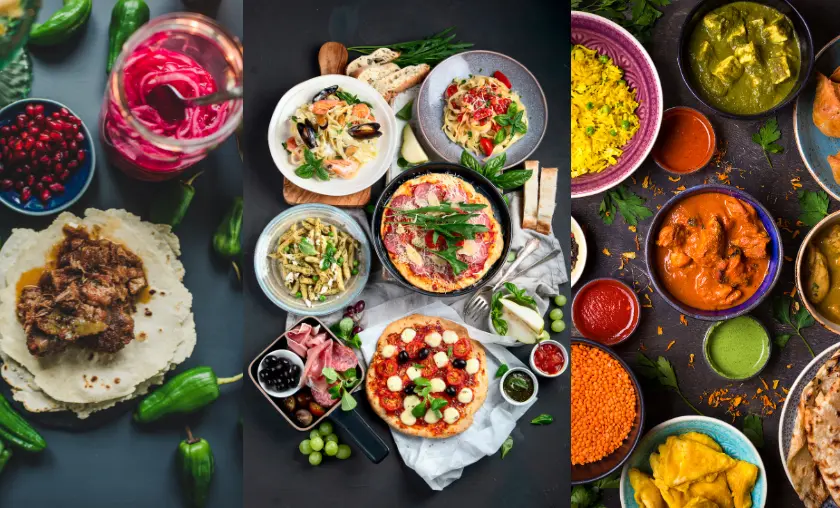
Exploring the ever-changing landscape of culinary preferences unveils a fascinating journey through the diverse tapestry of tastes and trends. As our world becomes more interconnected, culinary influences from different cultures and regions intertwine, giving rise to novel fusions and exciting cross-cultural creations.
- Plant-Based Revolution: The surge in plant-based diets signifies a seismic shift towards more sustainable and ethical eating, inspiring a range of innovative meat alternatives and plant-powered culinary creations.
- Global Fusion: Culinary boundaries blur as international flavors meld, giving rise to inventive mashups like Korean tacos and sushi burritos that delight adventurous palates.
- Functional Foods: Nutrient-rich ingredients, from adaptogens to ancient grains, are finding their way into everyday meals as consumers seek both nourishment and potential health benefits.
- Tech-Infused Dining: Cutting-edge technologies, like 3D-printed foods and virtual dining experiences, redefine how we interact with food, inviting us to explore new dimensions of taste and presentation.
- Zero-Waste Movement: A growing emphasis on sustainability drives chefs and consumers to minimize food waste, spurring creative solutions that make use of typically discarded ingredients, reducing our culinary footprint.
This exploration delves into the myriad factors—from cultural shifts to technological advancements—that continually reshape our relationship with food and redefine the boundaries of gastronomic creativity.
Plant-Based Revolution
Plant-Based Revolution: Beyond Meat and Tofu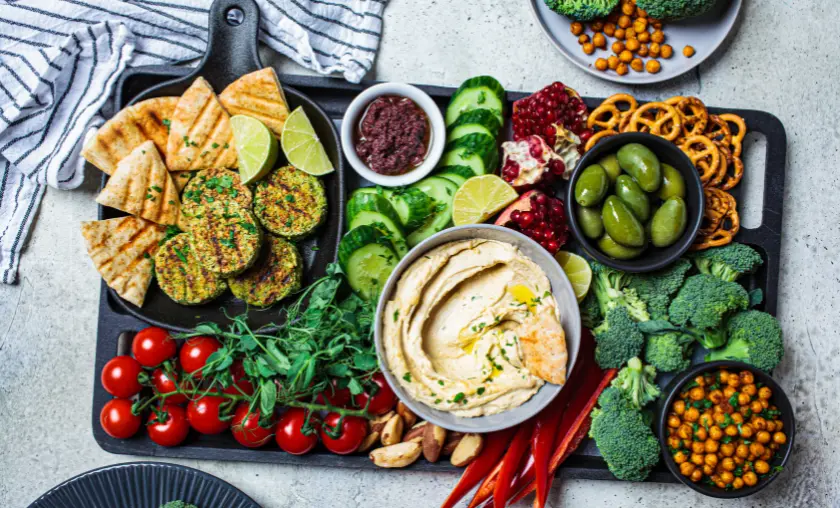
The plant-based revolution marks a transformative shift in dietary choices, reflecting a global movement towards more sustainable and ethical eating practices. Embracing plant-based diets has become synonymous with not only personal health but also environmental consciousness and animal welfare concerns.
This movement has given rise to an array of innovative plant-derived products, from meat alternatives that mimic the taste and texture of traditional animal products to creative plant-based dishes that redefine culinary norms.
Surge in Plant-Centric Diets & Alternatives
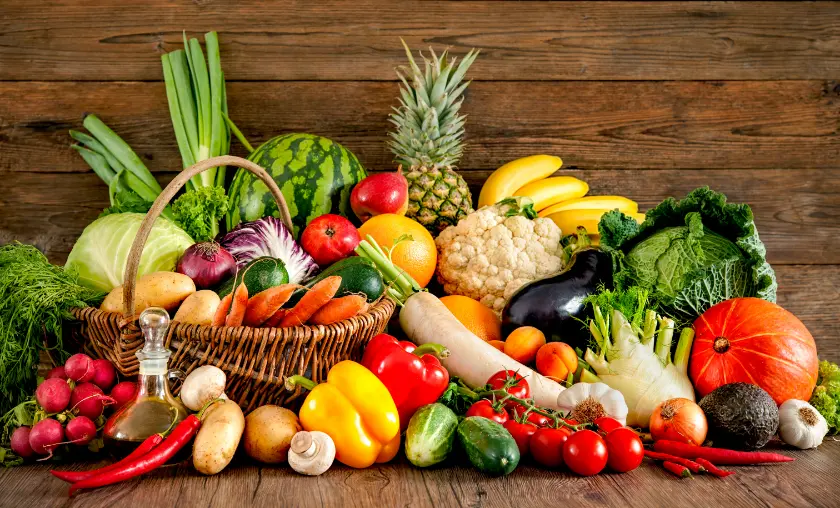
Analyzing the surge in plant-centric diets and alternatives reveals a significant shift in consumer behavior and dietary preferences. With heightened awareness of the environmental, health, and ethical implications of food choices, more individuals are embracing plant-based diets as a means to align with their values.
This trend has catalyzed the development of a diverse range of plant-based alternatives, from burgers that “bleed” like meat to dairy-free cheeses that closely mimic their animal-based counterparts. As the movement gains traction, it prompts discussions about the nutritional adequacy of plant-based diets, the role of innovative food technologies, and the potential to reshape the global food industry’s landscape.
Functional Foods
Functional Foods: Eating for More Than Hunger
Functional foods have emerged as a dynamic and health-conscious trend, highlighting the intersection of culinary delight and nutritional benefits. These foods go beyond traditional sustenance, offering potential physiological advantages that contribute to overall well-being.
Ingredients like turmeric, matcha, and quinoa have become more than just staples—they’re hailed for their antioxidant properties, adaptogenic qualities, and high nutritional content. As consumers seek to proactively enhance their health, functional foods have taken center stage, appearing in everything from smoothie bowls to energy bars.
The trend prompts discussions about the science behind these foods and their potential to address specific health concerns, reshaping the way we view nutrition and inviting us to savor the flavors of wellness.
Examining Foods Packed with Added Health Benefits
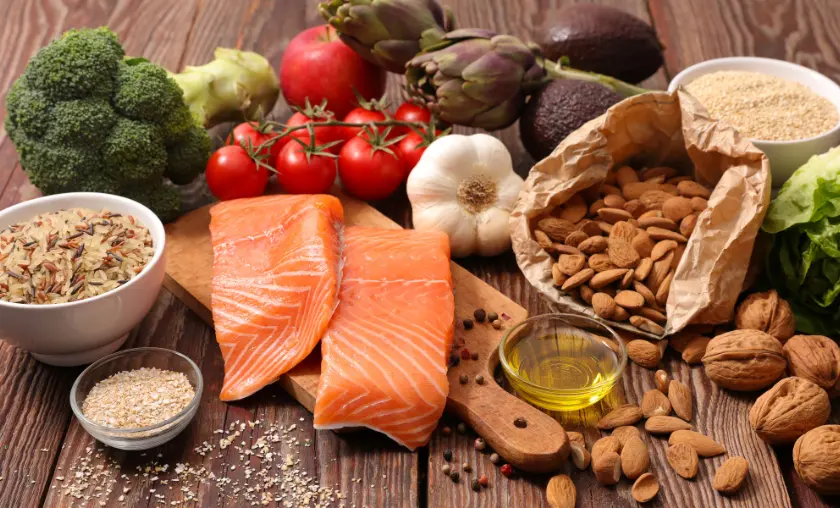
Examining foods packed with added health benefits delves into the expanding realm of nutritionally enhanced products tailored to meet the demands of health-conscious consumers. These foods often incorporate fortifications or naturally occurring compounds known for their positive impact on well-being.
For Example:
This trend raises questions about the efficacy of added nutrients, potential risks associated with excessive intake, and the importance of a balanced diet. As we navigate this landscape of functional foods, a critical approach to understanding the science behind these health claims and their alignment with individual nutritional needs is paramount.
Ethical Eating
Ethical Eating: Sustainability & Sourcing
Ethical eating, with a focus on sustainability and sourcing, has emerged as a conscientious approach to food consumption that extends beyond personal health to encompass the well-being of the planet and its inhabitants.
This trend places a premium on choosing foods that are produced in ways that minimize environmental impact, uphold fair labor practices, and prioritize animal welfare. Consumers are increasingly seeking out locally sourced, organic, and ethically certified products, making informed decisions that resonate with their values.
How Environmental Concerns Impact Our Food Choices

Environmental concerns are exerting a profound influence on our food choices, reshaping the way we approach nourishment. As awareness of climate change, deforestation, and resource depletion grows, consumers are increasingly seeking out sustainable options that minimize their ecological footprint.
The realization that food production significantly contributes to greenhouse gas emissions and habitat destruction has prompted individuals to opt for plant-based diets, locally sourced ingredients, and reduced food waste.
Global Flavors
Global Flavors: Adventures in Culinary Diversity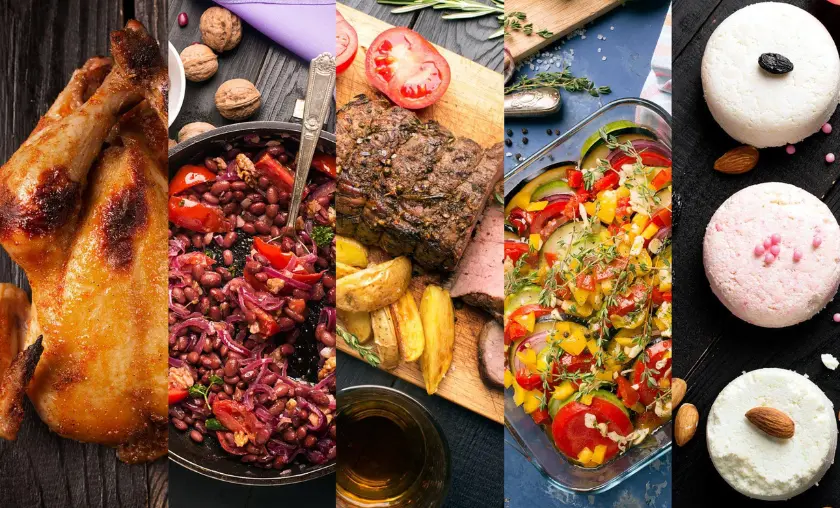
Global flavors have ignited a culinary renaissance, offering adventurous palates an array of taste sensations from around the world. As travel and communication bridge cultural gaps, food enthusiasts are exploring diverse cuisines, from street food favorites to fine dining traditions. The fusion of flavors, spices, and techniques from different regions creates a dynamic and ever-evolving gastronomic landscape.
Embracing International Cuisine and Fusion Food Experiences
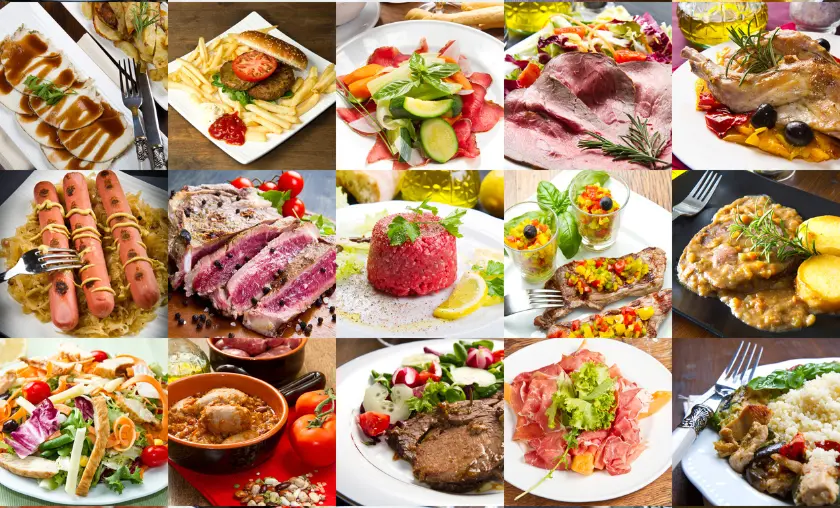
Embracing international cuisine and fusion food experiences has become a hallmark of modern gastronomy, reflecting the interconnected nature of our globalized world. As culinary traditions blend and cross-pollinate, we find ourselves immersed in a rich tapestry of flavors that reflect cultural diversity.
Fusion foods, marrying elements from various culinary heritages, provide innovative and unexpected taste combinations that challenge traditional norms. From sushi burritos to Mediterranean-inspired tacos, these creations celebrate the harmonious coexistence of diverse flavors on a single plate.
Tech on the Plate
Tech on the Plate: High-Tech Culinary Innovations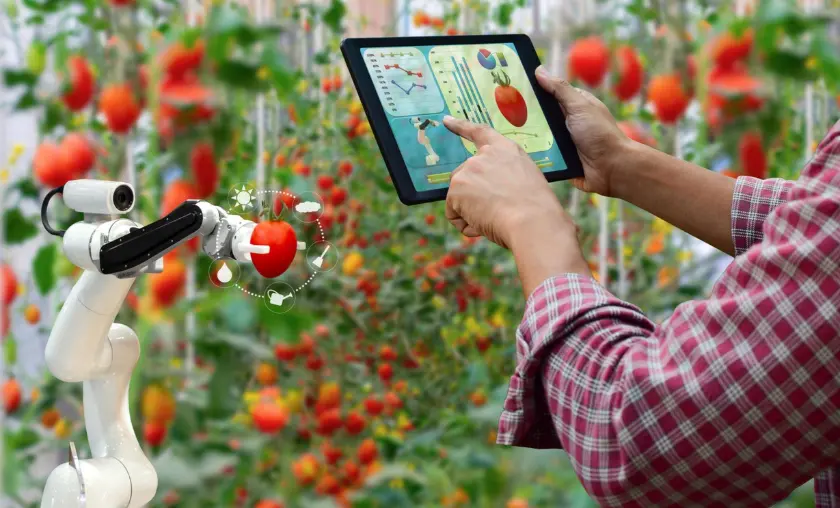
Tech on the plate is ushering in a new era of culinary innovation, where cutting-edge technologies intersect with the art of gastronomy. From molecular gastronomy to 3D-printed foods, these high-tech advancements are redefining how we perceive, prepare, and experience our meals.
Smart kitchen appliances, precision cooking techniques, and virtual dining experiences are revolutionizing the way chefs create and consumers engage with food. While pushing the boundaries of creativity, this trend also raises questions about the balance between tradition and innovation, the accessibility of these technologies, and the impact on human interactions around food.
Unveiling How Technology Is Reshaping Food Preparation & Delivery

Unveiling how technology is reshaping food preparation and delivery reveals a dynamic shift in the culinary landscape. From meal kit subscriptions to app-based food delivery services, technology is streamlining the way we access and enjoy our meals. Smart kitchen appliances equipped with AI and IoT capabilities are optimizing cooking processes, while virtual reality dining experiences transport us to gastronomic worlds beyond our physical surroundings.
Mindful Eating
Mindful Eating: Beyond Dieting Trends
Mindful eating, transcending dieting trends, emphasizes a profound connection between our thoughts, emotions, and food. It’s a holistic approach that encourages us to savor each bite, listen to our body’s signals, and cultivate a deeper appreciation for the nourishment we receive.
For Example:
Mindfulness fosters a conscious awareness of our eating habits, helping us recognize hunger cues, practice portion control, and identify emotional triggers. This trend shifts the focus from restrictive eating to embracing a balanced relationship with food that prioritizes enjoyment and well-being.
Movement Toward Conscious & Intuitive Eating

This approach encourages individuals to cultivate a deeper connection with their bodies, focusing on internal cues and fostering a positive relationship with food. By tuning into hunger and fullness signals, honoring cravings without guilt, and embracing diverse foods, conscious and intuitive eating seeks to create a sustainable and balanced eating pattern. This movement recognizes that each individual’s nutritional needs are unique, promoting self-compassion and a rejection of harmful dieting cycles.
Ancient Grains & Forgotten Ingredients
Glimpse at History: Ancient Grains and Forgotten Ingredients
Ancient grains and forgotten ingredients have staged a captivating comeback, ushering in a culinary renaissance that harks back to our heritage while embracing modern tastes.
For Example:
These ingredients, revered by ancient civilizations, are celebrated for their rich nutrient profiles, sustainable cultivation, and unique flavors. As we explore their versatility in everything from hearty salads to gluten-free baked goods, we pay homage to traditions while crafting innovative, healthful dishes that showcase the timeless allure of these forgotten treasures.
Rediscovering Nutrient-Rich Foods from the Past
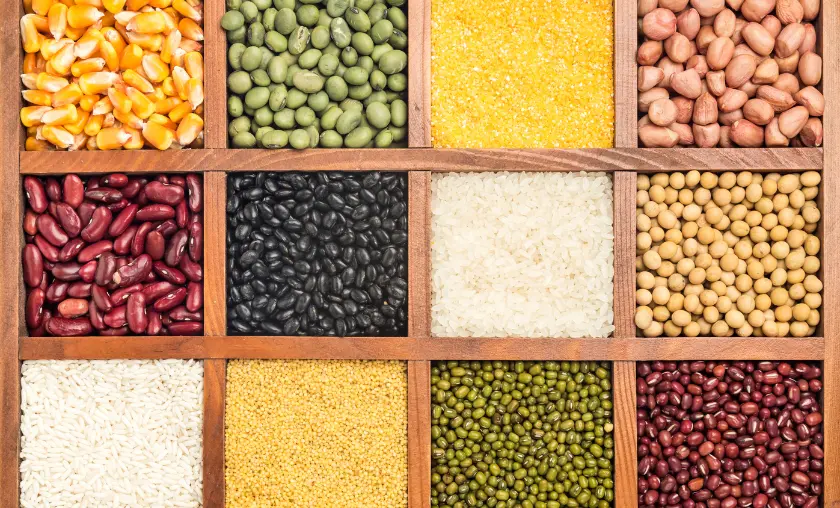
Rediscovering nutrient-rich foods from the past unveils a treasure trove of culinary gems that have sustained ancient civilizations for centuries. From indigenous grains and heritage vegetables to foraged superfoods, these ingredients not only offer exceptional nutritional value but also carry stories of resilience and adaptability.
As we integrate these ancient ingredients into our modern diets, we honor the wisdom of our ancestors and unlock a diverse range of flavors and nutrients that contribute to our well-being while preserving the cultural heritage that enriches our culinary tapestry.
Minimizing Food Footprints
Low-Waste Living: Minimizing Food Footprints
Low-waste living, with a focus on minimizing food footprints, has emerged as a response to the urgent need for more sustainable consumption practices. This trend encourages individuals to rethink their relationship with food by reducing food waste, embracing mindful shopping, and utilizing creative methods to repurpose leftovers.
From composting food scraps to preserving seasonal produce, the movement highlights the tangible impact of small changes on reducing environmental strain. By making conscious choices about portion sizes, meal planning, and supporting businesses with sustainable practices, low-waste living not only contributes to a greener planet but also cultivates a heightened appreciation for the resources that sustain us.
Strategies for Reducing Food Waste & Packaging

As society becomes more attuned to the ecological consequences of our choices, these strategies empower us to make mindful decisions that not only lighten our individual footprint but collectively pave the way for a more sustainable and efficient food system.
What’s Next on the Menu?
Future Food Frontiers: What’s Next on the Menu?
Future food frontiers hold the promise of a culinary landscape shaped by innovation, sustainability, and cultural exchange. As we stand at the intersection of technology, changing palates, and environmental awareness, the possibilities for food evolution are boundless.
From lab-grown meats and vertical farming to personalized nutrition and advanced food preservation techniques, the future menu is poised to cater to individual preferences while minimizing environmental impact.
The fusion of tradition and innovation will continue to redefine gastronomy, as global influences intertwine with cutting-edge techniques to create a tapestry of flavors that transcends borders.
Peeking into Emerging Food Trends on the Horizon
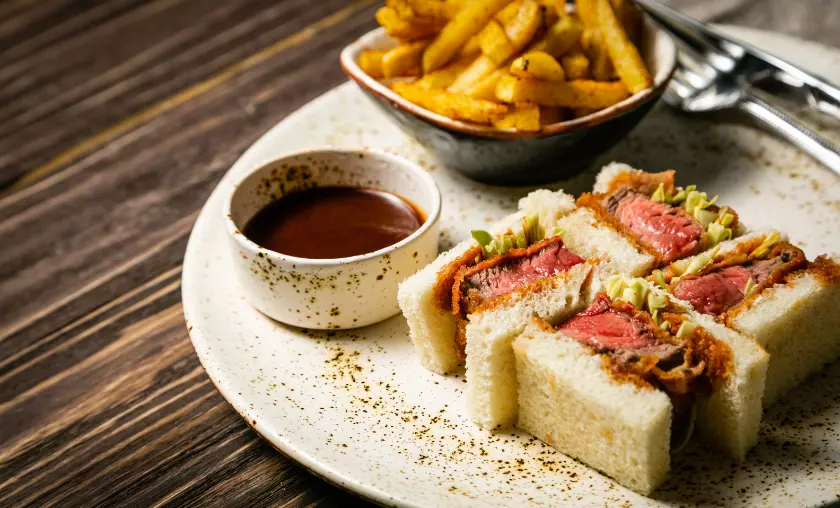
Peeking into emerging food trends on the horizon offers a tantalizing glimpse into the culinary landscape of tomorrow. As our world evolves, so do our tastes and preferences, giving rise to exciting possibilities such as:
The horizon beckons with the prospect of novel flavors, eco-conscious practices, and the convergence of cultural influences, reminding us that the journey of food exploration is an ever-evolving adventure that nourishes both our bodies and our imaginations.
Conclusion
From plant-based innovations to culinary fusions, these trends weave a tapestry of diverse flavors and cultural influences. The rise of conscious consumerism underscores a collective desire for sustainable and ethical choices.
As technology reshapes our dining experience, convenience converges with health considerations in novel ways. Food trends encapsulate the human journey towards healthier, more inclusive, and globally connected eating habits. However, amidst the excitement, a reminder persists to approach trends with a balanced perspective and a focus on individual well-being.
Ultimately, the ever-changing realm of food trends invites us to savor not just what’s on our plates, but also the stories, values, and aspirations that nourish our culinary voyage.
FAQ’s
Do Food Trends Have a Global Impact?
Yes, food trends often have a global impact due to the interconnectedness of cultures through travel and digital communication. Trends can cross borders and influence dining habits worldwide, leading to the fusion of cuisines and the adoption of new culinary practices.
Are All Food Trends Health-focused?
No, not all food trends are health-focused. While some trends may emphasize health and nutrition, others might revolve around indulgence, unique flavor combinations, or nostalgic foods that evoke sentiment.
How Do Food Trends Impact the Restaurant Industry?
Food trends heavily influence the restaurant industry. Restaurants often adapt their menus to include popular trends to attract customers. Staying ahead of trends can lead to increased patronage and success.
Why Do Food Trends Change Over Time?
Food trends change due to a variety of factors, including shifts in societal values, health concerns, environmental awareness, globalization, and the influence of media and technology. As these aspects evolve, they shape what people want from their food.
What Role Does Social Media Play in Shaping Food Trends?
Social media has a significant impact on food trends. Platforms like Instagram and TikTok showcase visually appealing dishes and unique culinary creations, quickly spreading them to a global audience and influencing what people want to try.
To Read More Similar Articles, Click Here.
Thanks for Visiting Our Website. If You Appreciate Our Work, Kindly Show Us Some Support in Our Comments Section 🙂