
In an era where health-conscious individuals are exploring sustainable Plant-Based Nutrition, this exploration takes you on a journey through the science and art of plant-based eating. This article showcases plant foods ‘ incredible variety and nourishment, from nutrient-packed vegetables and legumes to wholesome grains and plant-based proteins.
By delving into the principles of plant-based nutrition, you’ll discover how this dietary approach can contribute to enhanced well-being, reduced environmental impact, and even culinary creativity. Prepare to gain insights into building a vibrant plate full of flavor, nutrients, and compassion for both yourself and the planet.
The Power of Plants
Nutrient Diversity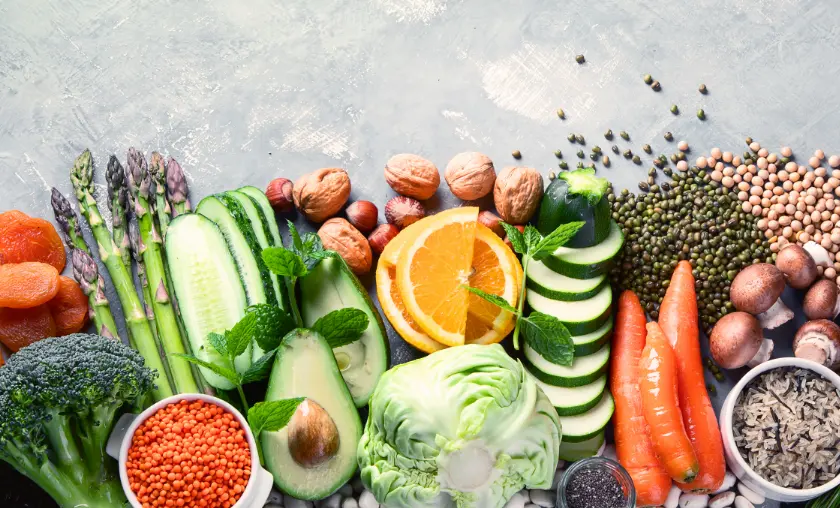
The power of plants lies in their remarkable nutrient diversity, offering a wide spectrum of vitamins, minerals, antioxidants, and phytochemicals that contribute to optimal health. Fruits, vegetables, whole grains, legumes, nuts, and seeds each bring their unique array of nutrients to the table, forming a colorful and wholesome palette for nourishing the body.
Plant-based foods are fiber-rich, supporting digestion, weight management, and heart health. Additionally, they offer a host of bioactive compounds that provide antioxidant protection, reduce inflammation, and potentially lower the risk of chronic diseases.
Wide Range of Nutrients Offered by Plant Foods:
Embracing a diverse plant-based diet allows individuals to harness the full potential of nature’s bounty, promoting vitality and well-being from the inside out.
Plant-Based Protein
A Balanced Approach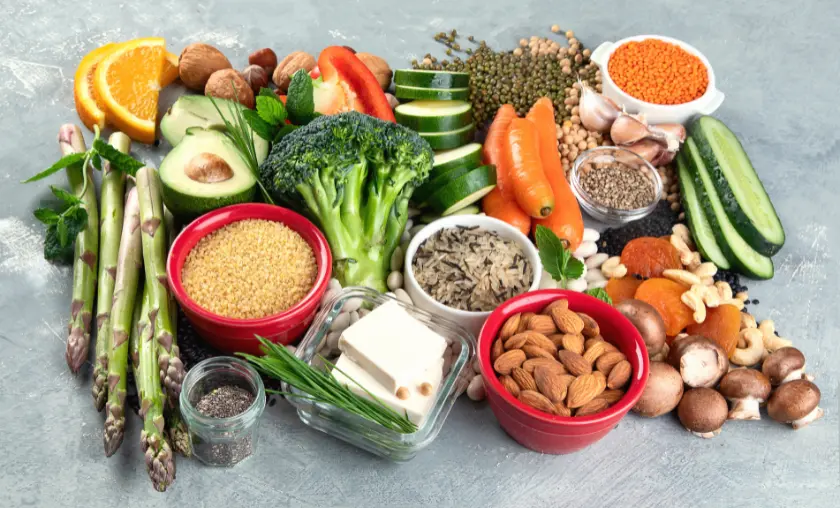
Exploring protein sources beyond meat offers a balanced approach to meeting nutritional needs while embracing dietary diversity. Plant-based protein options such as legumes (beans, lentils, chickpeas), nuts, seeds, tofu, tempeh, and whole grains provide ample protein content without the saturated fats and cholesterol often found in animal products.
These alternatives are rich in essential nutrients, including fiber, vitamins, and minerals, while contributing to heart health and weight management. Combining various plant-based protein sources in meals ensures a complete amino acid profile, supporting muscle maintenance and overall well-being.
Plant-Based Protein Options for Health & Fitness:
By incorporating these protein-rich foods into the diet, individuals can cultivate a sustainable and nutritionally robust eating pattern that benefits both personal health and the environment.
Fiber
The Digestive Dynamo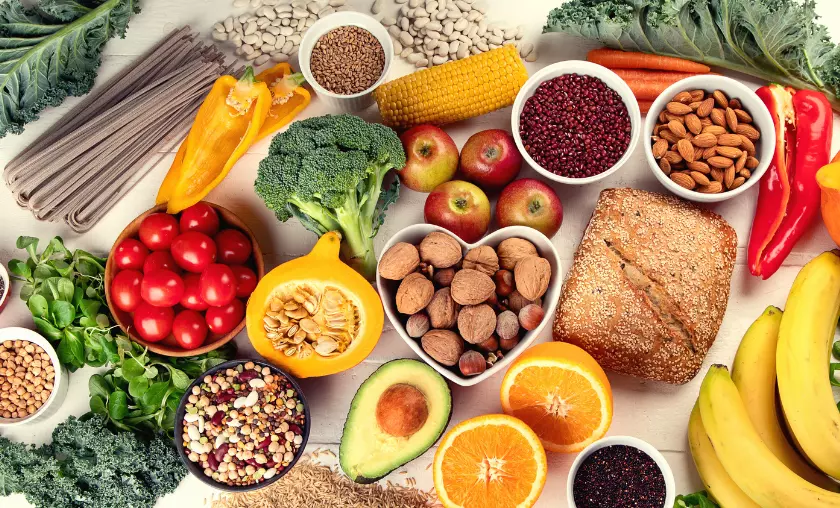
Fiber serves as the digestive dynamo of our diet, playing a crucial role in maintaining digestive health and promoting overall well-being. Found in plant-based foods like whole grains, fruits, vegetables, and legumes, dietary fiber adds bulk to stool and aids in regular bowel movements, preventing constipation and supporting a healthy gut.
Plant-Based Fiber Foods:
It acts as a prebiotic, nourishing beneficial gut bacteria that contribute to digestion and immune function. Beyond its digestive benefits, fiber helps regulate blood sugar levels, promote a feeling of fullness, and even lower cholesterol.
Healthy Fats from Plants
Essential Lipids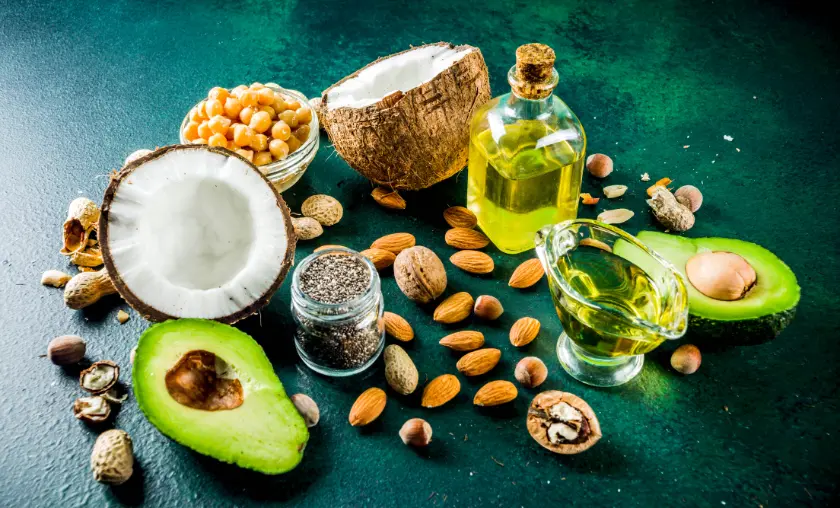
Healthy fats from plants offer a valuable source of essential lipids that contribute to overall wellness. Found in foods like avocados, nuts, seeds, and olive oil, these fats are rich in monounsaturated and polyunsaturated fatty acids, including omega-3 and omega-6 fatty acids.
These fats play a vital role in supporting heart health by reducing LDL cholesterol levels and promoting healthy blood vessels. Additionally, they provide a concentrated source of energy, support brain function, and aid in the absorption of fat-soluble vitamins.
Plant-based Food with Healthy Fats:
Incorporating these plant-based healthy fats into your diet in moderation can help you maintain a balanced lipid profile, support various bodily functions, and enjoy the benefits of a well-rounded eating pattern.
Plant Vitamins & Minerals
Plant-Rich Nutrient Profiles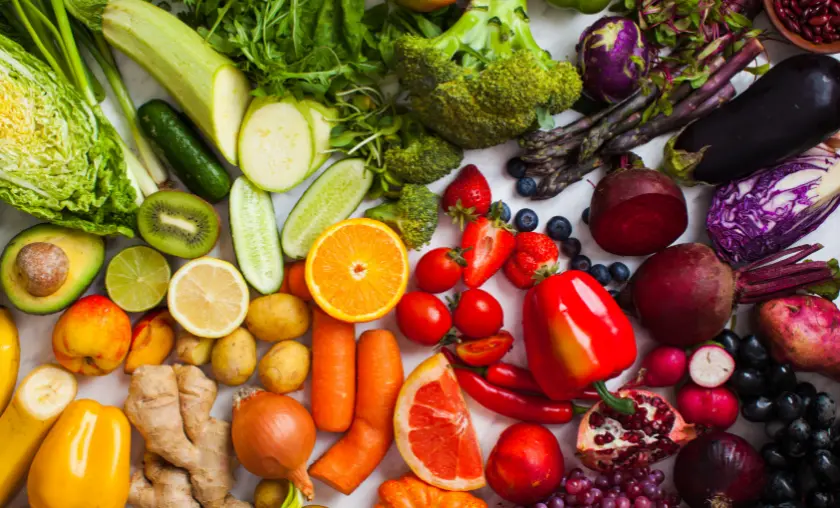
Vitamins and minerals are essential micronutrients that play a vital role in maintaining optimal health and supporting various bodily functions. Plant-based foods offer a diverse array of nutrient profiles, making them excellent sources of these essential compounds. From vitamin C in citrus fruits to iron in leafy greens, plant foods provide a wide range of vitamins and minerals that contribute to immune function, bone health, energy production, and more.
Plant-based Vitamins & Minerals:
By incorporating a variety of colorful fruits, vegetables, whole grains, nuts, and seeds into your diet, you can receive a well-rounded assortment of vitamins and minerals essential for overall well-being.
Antioxidants & Phytochemicals
Plant Protection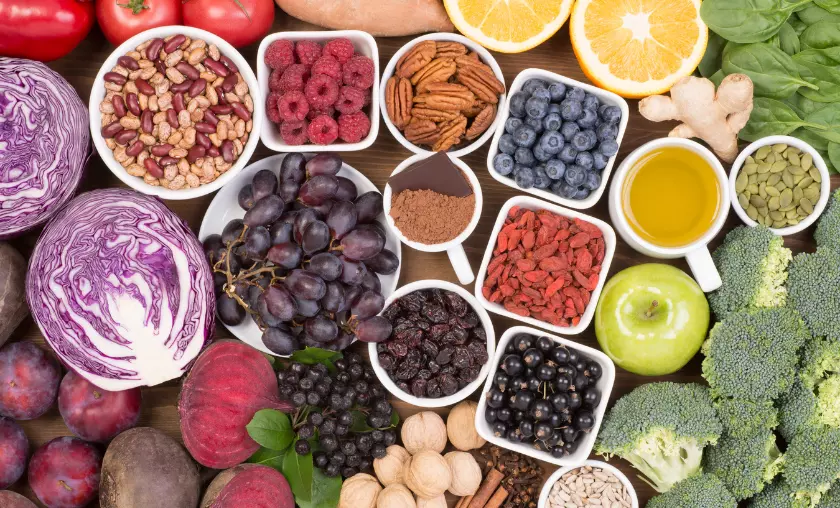
Antioxidants and phytochemicals are the dynamic defenders present in plant-based foods, offering a powerful shield against oxidative stress and promoting overall health. These compounds, found in colorful fruits, vegetables, and other plant sources, neutralize harmful free radicals that can damage cells and contribute to chronic diseases.
Antioxidants like vitamin C, vitamin E, and beta-carotene work synergistically with phytochemicals such as flavonoids and polyphenols to provide a range of health benefits. From reducing inflammation to supporting heart health and potentially lowering the risk of certain cancers, these plant protectors contribute to a robust defense system that helps keep the body vibrant and resilient.
Plant-based Antioxidants & Phytochemicals:
Incorporating a variety of antioxidant-rich and phytochemical-packed foods into your diet can help you harness the full potential of these natural safeguards.
Bone Health & Plant-Based Diets
The Calcium Concern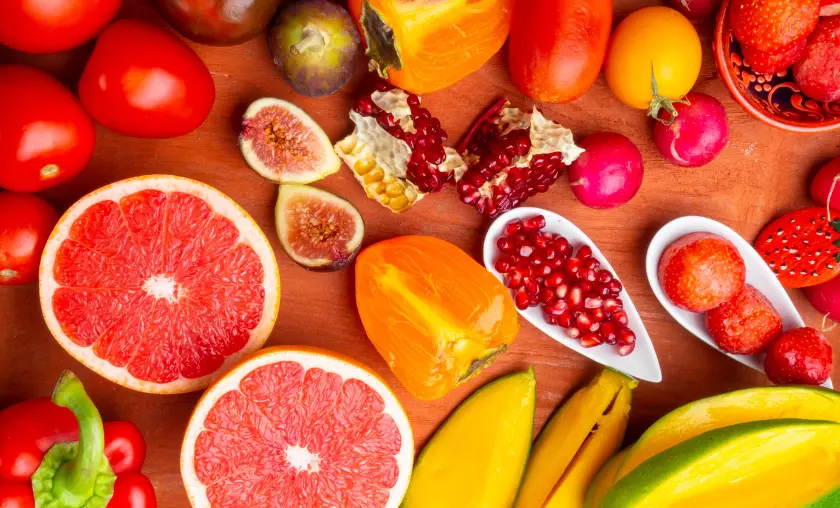
Maintaining bone health on a plant-based diet involves addressing the calcium concern through smart dietary choices. While dairy products are often associated with calcium, plant-based sources like fortified plant milks, tofu, dark leafy greens, and almonds also provide this essential mineral.
However, it’s important to ensure an adequate intake of calcium-rich foods to meet daily needs. Additionally, paying attention to vitamin D, which aids in calcium absorption, and other nutrients like magnesium and vitamin K that support bone health is crucial.
Plant-Based Bone Health:
A well-balanced plant-based diet that includes a variety of these nutrient-rich foods can effectively contribute to strong bones and overall skeletal well-being, allaying any concerns about calcium intake in the context of a plant-based lifestyle.
Challenges & Considerations
Navigating Plant-Based Living
Embracing a plant-based lifestyle comes with its unique set of challenges and considerations. One primary consideration is ensuring a well-balanced diet that provides all essential nutrients, including protein, iron, calcium, and vitamin B12.
Planning meals thoughtfully and incorporating a variety of plant-based foods can help address these nutritional concerns. Another challenge can be finding convenient and satisfying options while dining out or traveling, as plant-based choices might be limited in some settings.
Common Pitfalls & Solutions for Balanced Plant-Based Nutrition

While adopting a plant-based diet can be beneficial, there are common pitfalls to be aware of to ensure balanced nutrition. One pitfall is relying too heavily on processed plant-based foods, which might lack essential nutrients. The solution is to prioritize whole, minimally processed plant foods like fruits, vegetables, whole grains, legumes, nuts, and seeds.
Another pitfall is neglecting certain nutrients, such as vitamin B12, iron, and omega-3 fatty acids. Incorporating fortified foods, taking supplements as a healthcare professional recommends, and selecting a variety of nutrient-rich plant foods can help address these gaps.
Plant-Based for a Greener World
Sustainability & Health
Choosing a plant-based diet benefits personal health and contributes to a greener world through enhanced sustainability. Plant-based diets have a lower carbon footprint, requiring fewer natural resources and producing fewer greenhouse gas emissions compared to diets rich in animal products.
Individuals can help conserve water, land, and energy resources by reducing the demand for meat and animal agriculture while mitigating the environmental impacts associated with food production.
Conclusion
Plant-Based Nutrition stands as a compelling narrative of health, compassion, and sustainability. This journey into the realm of plant-derived foods unveils a pathway that nourishes our bodies and aligns with our ethical values. Each plant-based choice becomes a conscious step towards a healthier lifestyle, from nutrient-rich greens to protein-packed legumes.
As we embrace the philosophy of plant-based nutrition, we cultivate a deeper connection with the environment and its diverse flavors. Amidst the evolving landscape of dietary trends, adopting a plant-based approach represents a commitment to both personal well-being and the well-being of our planet.
Ultimately, the essence of plant-based nutrition lies in its ability to transform not just our plates, but our perspectives, fostering a mindful and compassionate way of living.
FAQ’s
Is a Plant-based Diet Expensive?
A plant-based diet can be cost-effective when you focus on affordable staples like beans, lentils, whole grains, and seasonal produce. It’s possible to enjoy a plant-based diet without breaking the bank.
Can I Still Enjoy Flavorful Meals on a Plant-based Diet?
Absolutely! Plant-based diets can be incredibly flavorful and diverse. Herbs, spices, and creative cooking techniques can elevate the taste of plant-based dishes.
is a Plant-based Diet Suitable for All Life Stages?
Yes, a well-planned plant-based diet can be suitable for all life stages, including children, adolescents, adults, and seniors. Special attention to certain nutrients is necessary, especially for pregnant or breastfeeding individuals and infants.
Can I Get Enough Protein on a Plant-based Diet?
Yes, you can get ample protein from plant-based sources like beans, lentils, tofu, tempeh, quinoa, nuts, and seeds. Combining a variety of plant proteins ensures you meet your protein needs.
Can I Transition to a Plant-based Diet Gradually?
Yes, many people find success in transitioning gradually to a plant-based diet. Start by replacing a few animal products with plant-based alternatives and gradually expand your repertoire of plant-based meals.
To Read More Similar Articles, Click Here.
Thanks for Visiting Our Website. If You Appreciate Our Work, Kindly Show Us Some Support in Our Comments Section 🙂