
Single-leg balance exercises are invaluable for improving stability and proprioception. By standing on one leg and engaging core muscles, these exercises challenge balance and promote strength in the stabilizing muscles around the ankle, knee, and hip. Incorporating single-leg balance exercises into your routine can enhance athleticism, reduce the risk of injury, and improve overall balance and coordination for sports and daily activities.
Importance of Exercises for Balance and Coordination!
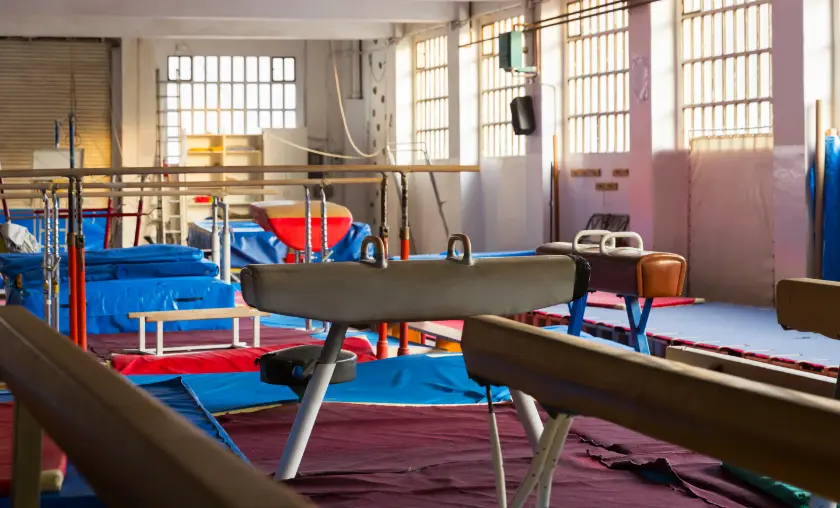
Balance and coordination are fundamental components of athletic performance across all sports. They form the foundation for agility, speed, and precision, enabling athletes to execute movements with fluidity and control. Improved balance enhances stability and reduces the risk of falls or injuries, while enhanced coordination allows for efficient movement patterns and quick adjustments during play.
From maintaining control on uneven terrain to executing complex maneuvers with finesse, honing these skills is crucial for athletes to excel in their respective sports and achieve peak performance.
Single-leg Balance Exercises!
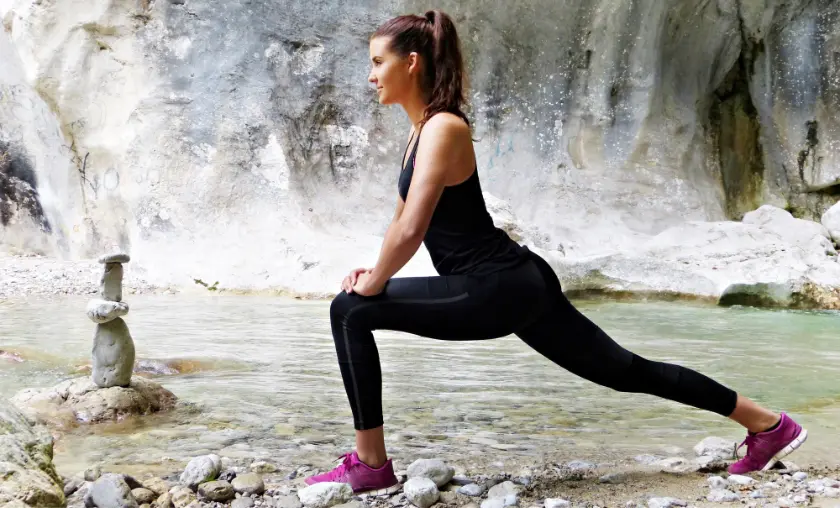
Single-leg balance exercises are invaluable for improving stability and proprioception. By standing on one leg and engaging core muscles, these exercises challenge balance and promote strength in the stabilizing muscles around the ankle, knee, and hip. Incorporating single-leg balance exercises into your routine can enhance athleticism, reduce the risk of injury, and improve overall balance and coordination for sports and daily activities.
How to Perform:
To perform single-leg balance exercises, start by standing tall with feet hip-width apart. Shift your weight onto one leg, lifting the other leg slightly off the ground. Engage your core and focus on a fixed point to help maintain balance. Hold this position for a few seconds to a minute, then switch legs. To increase the challenge, try closing your eyes or incorporating movements like arm raises or hip circles while balancing. Repeat for several sets on each leg to improve stability and coordination.
Bosu Ball Exercises!
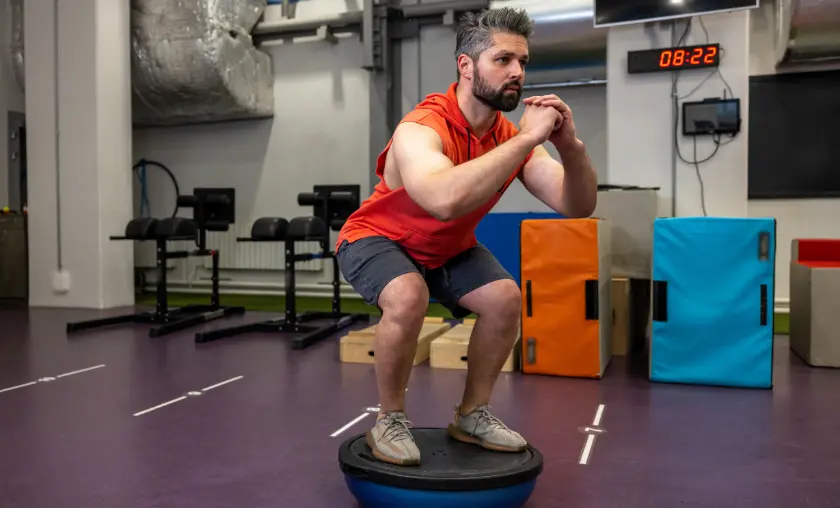
Bosu ball exercises are effective for improving balance, stability, and core strength. To perform Bosu ball exercises, stand or lie on the dome side of the Bosu ball, engaging your core and maintaining proper posture. Incorporate movements such as squats, lunges, or push-ups while keeping the Bosu ball stable beneath you. Additionally, flipping the Bosu ball over and using the flat side can add variation to exercises and further challenge stability and coordination.
How to Perform:
To perform Bosu ball exercises, start by standing or lying on the dome side of the Bosu ball with feet or hands positioned securely. Engage your core muscles to stabilize your body and maintain proper balance. Execute movements such as squats, lunges, or push-ups while keeping the Bosu ball stable beneath you. Focus on control and stability throughout the exercises to maximize their effectiveness in improving balance, coordination, and overall strength.
Stability Ball Exercises!
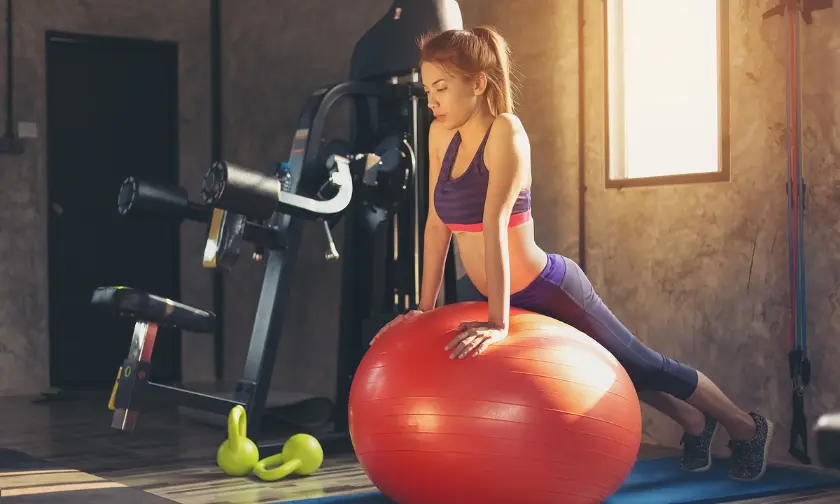
Stability ball exercises are versatile and effective for improving core strength, balance, and stability. To perform stability ball exercises, start by sitting or lying on the ball with proper posture and engaging your core muscles. Incorporate movements such as stability ball crunches, bridges, or planks to target different muscle groups while challenging your balance and stability.
How to Perform:
To perform stability ball exercises, begin by selecting an appropriate-sized stability ball and finding a stable surface to place it on. Sit or lie on the ball with proper posture, engaging your core muscles to maintain balance. Execute exercises such as stability ball crunches, bridges, or planks, focusing on controlled movements and stability throughout. Gradually increase the difficulty of exercises by incorporating variations or adding resistance, ensuring proper form and alignment for optimal results in improving core strength and stability.
Agility Ladder Drills!
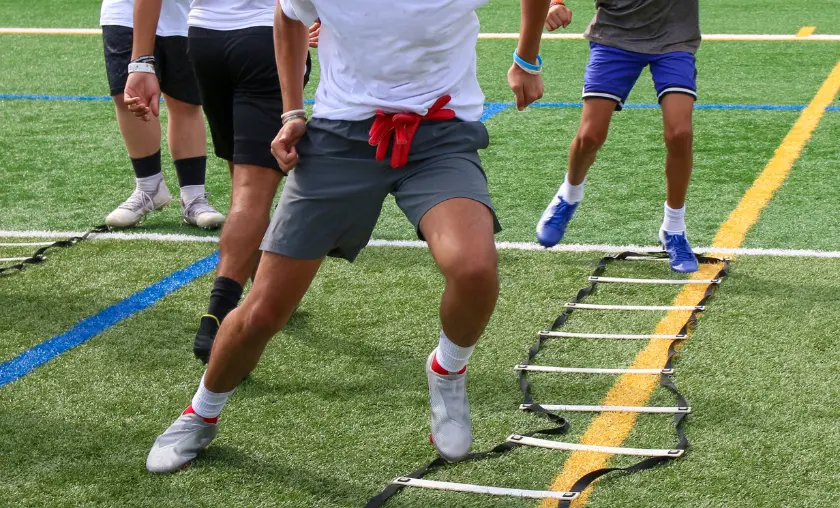
Agility ladder drills are dynamic exercises designed to improve footwork, speed, and coordination. Lay the ladder flat on the ground and perform various movements through the ladder’s rungs, such as high knees, lateral shuffles, or in-and-out hops. Focus on maintaining a quick tempo and proper form while moving through the ladder with precision and agility.
How to Perform:
To perform agility ladder drills, lay the ladder flat on the ground and stand at one end. Move through the ladder quickly and precisely, performing various footwork patterns such as high knees, lateral shuffles, or in-and-out hops. Focus on maintaining proper form, keeping a quick tempo, and minimizing contact with the ladder. Agility ladder drills challenge the neuromuscular system and enhance agility, speed, and coordination, making them ideal for athletes and individuals looking to improve athletic performance.
Plyometric Exercises!
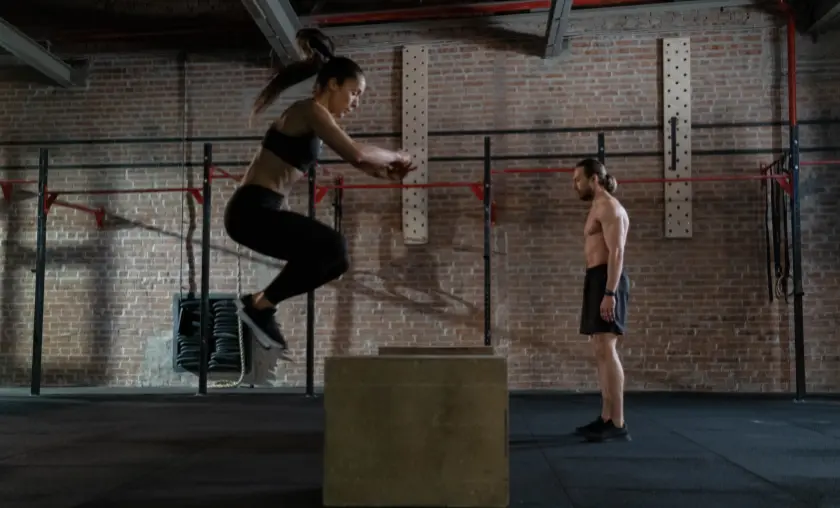
Plyometric exercises, also known as “jump training,” involve rapid stretching and contracting of muscles to improve power and agility. Examples include box jumps, squat jumps, and plyometric push-ups. Focus on generating maximum force in a short amount of time, then transitioning into the next repetition or movement. Incorporating plyometric exercises into your routine enhances muscular strength, speed, and coordination, making them valuable for athletes and individuals seeking to improve athletic performance and agility.
How to Perform:
To perform plyometric exercises, start with a proper warm-up to prepare your muscles for explosive movements. Choose exercises such as box jumps, jump squats, or plyometric push-ups that involve rapid stretching and contracting of muscles. Focus on generating maximum force in each repetition, then quickly transition into the next movement. Land softly and absorb the impact to reduce stress on joints, and gradually increase intensity and volume as you progress to improve power, speed, and agility.
Yoga and Pilates!
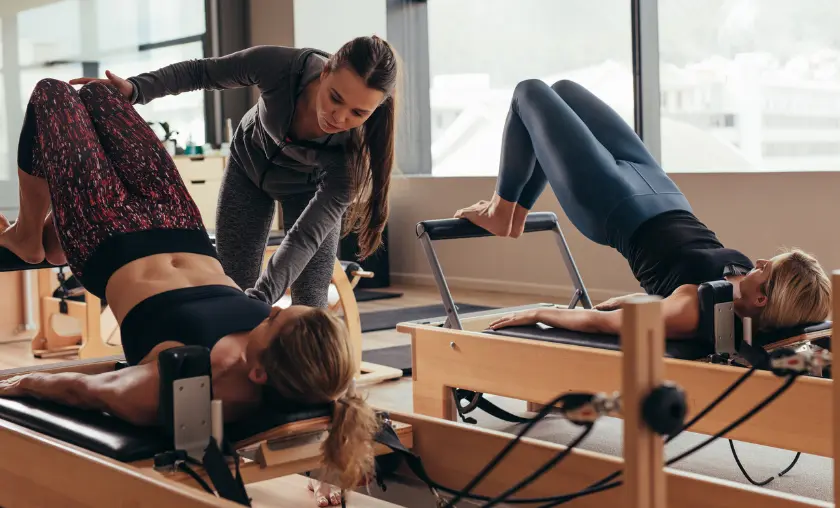
Yoga and Pilates are holistic mind-body practices that offer numerous physical and mental benefits. While yoga emphasizes the connection between breath and movement, Pilates focuses on core strength and alignment. Both disciplines improve flexibility, strength, and mindfulness, making them suitable for individuals of all fitness levels and goals.
How to Perform:
practice yoga and Pilates, start by finding a quiet and comfortable space with a supportive surface, such as a yoga mat or Pilates reformer. Begin with a deep breathing exercise to center yourself and focus your mind. Then, follow along with a guided routine or series of poses, paying attention to proper form and alignment. Incorporate movements that challenge strength, flexibility, and balance, and remember to listen to your body and modify poses as needed.
Dynamic Balance Challenge!
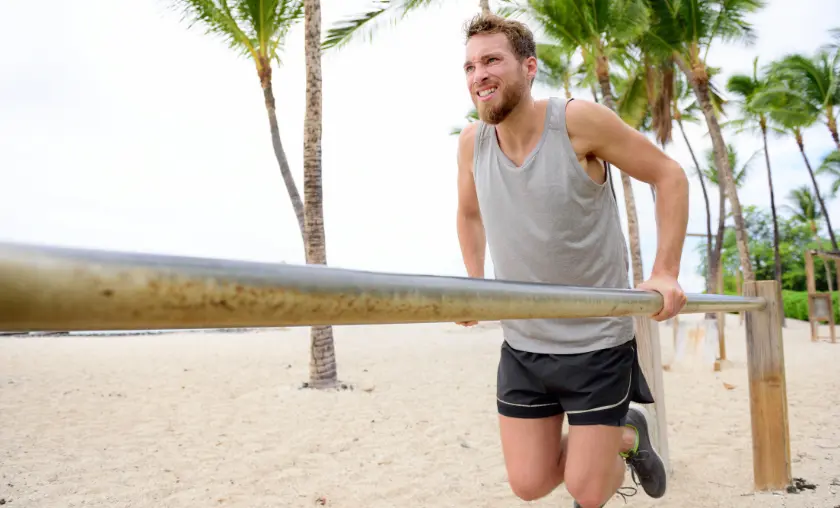
A dynamic balance challenge involves engaging in exercises that require maintaining equilibrium while in motion. These exercises often include dynamic movements such as walking lunges, single-leg hops, or stability ball exercises with added movements. By incorporating dynamic balance challenges into your routine, you can improve stability, coordination, and proprioception, enhancing your overall athleticism and reducing the risk of injury during sports and daily activities.
How to Perform:
To perform a dynamic balance challenge, begin by selecting exercises that require movement while maintaining balance, such as lunges, hops, or stability ball exercises. Engage your core muscles to stabilize your body and maintain proper alignment throughout each movement. Focus on controlled motions and smooth transitions between exercises to challenge your balance and coordination effectively.
Benefits of Improved Balance & Coordination in Sports!
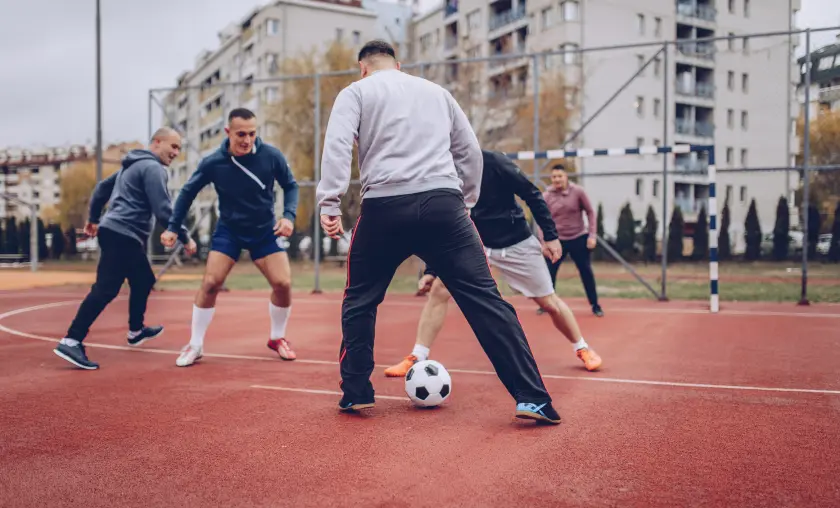
- Enhanced Performance: Improved balance and coordination allow athletes to move more efficiently and effectively, leading to better performance in sports.
- Injury Prevention: Better balance and coordination help reduce the risk of falls and injuries by enhancing stability and control during dynamic movements.
- Agility & Speed: Increased balance and coordination enable athletes to react quickly to changes in direction and maintain optimal speed and agility on the field or court.
- Precision & Accuracy: Improved balance and coordination contribute to better accuracy and precision in movements, such as shooting in basketball or hitting a tennis ball.
- Confidence & Mental Focus: Developing better balance and coordination boosts confidence and mental focus, allowing athletes to perform at their best under pressure.
- Proper Warm-Up: Always warm up properly before engaging in exercise to prepare the body for physical activity and reduce the risk of injury.
- Avoid Overtraining: Be mindful of overtraining, as excessive or intense exercise without adequate rest and recovery can lead to fatigue, burnout, and increased risk of injury.
- Listen to Your Body: Pay attention to any signs of discomfort, pain, or fatigue during exercise, and modify or stop activities if necessary to prevent injury or exacerbation of existing conditions.
Conclusion
In conclusion, mastering the 7 best exercises for improving your balance and coordination in sports can elevate your athletic performance to new heights. From single-leg squats to agility ladder drills, each exercise targets specific aspects of balance and coordination crucial for sports success.
Consistent practice, coupled with proper technique and progression, is essential for seeing significant improvement. Embrace these exercises as integral components of your training regimen to enhance agility, stability, and overall athletic prowess. With dedication and persistence, you can unlock your full potential and excel in your chosen sport with confidence.
FAQ’s
Yes, incorporating balance and coordination exercises into your warm-up routine can prepare your body for more dynamic movements during sports activities. Start with lighter variations to activate muscles and joints before progressing to more intense exercises.
The timeline for improvement varies depending on individual factors like current fitness level, consistency of practice, and adherence to proper technique. With regular training and dedication, noticeable improvements can typically be seen within a few weeks to months.
While these exercises are beneficial for athletes in various sports, their effectiveness may vary depending on the specific demands of each sport. However, improving balance and coordination is generally advantageous for all athletes, regardless of their chosen sport.
To progress, you can increase the difficulty by adding resistance, increasing repetitions or sets, changing the surface or environment, or incorporating variations that target different muscle groups. Gradually advancing your exercises ensures continued growth and improvement.
It’s essential to prioritize safety and proper form when performing these exercises to prevent injury. Start with lighter resistance and gradually increase intensity as you build strength and confidence. If you have any underlying health conditions or concerns, consult with a healthcare professional before starting a new exercise regimen.
To Read More Similar Articles, Click Here.
Thanks for Visiting Our Website. If You Appreciate Our Work, Kindly Show Us Some Support in Our Comments Section 🙂