
Tea, a beloved beverage enjoyed worldwide, is not just a drink; it’s an art form. The art of tea making, often referred to as “tea culture,” encompasses a rich tapestry of traditions, rituals, and techniques that have evolved over centuries. This ancient practice involves carefully selecting tea leaves, precise brewing methods, and appreciating nuanced flavors and aromas.
Whether it’s the elegant Japanese tea ceremony, the spirited Chinese gongfu cha, or a cozy English afternoon tea, the art of tea making invites us to slow down, savor the moment, and connect with the profound beauty of this humble leaf.
How to Make Tea: Time-Honored Tradition of Brewing Tea
How to Make Tea 101: Great Guide for Beginners!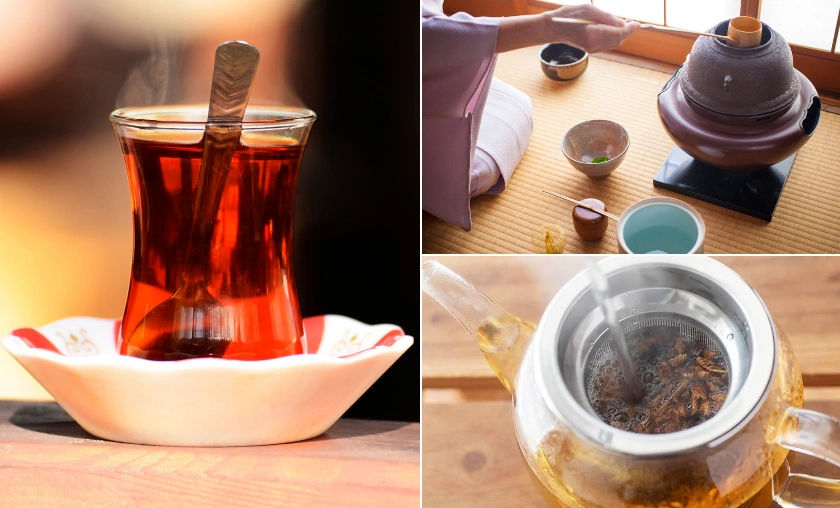
The time-honored tradition of brewing tea is a cherished practice that spans centuries and transcends cultural boundaries. Rooted in history, this art form has been perfected over time, resulting in a myriad of unique rituals and techniques that vary from region to region. Whether it’s the serene Japanese tea ceremony, the elaborate Chinese Gongfu Cha, or the comforting British afternoon tea, each culture’s approach to tea brewing reflects a deep reverence for the beverage and its ability to bring people together.
The mindfulness and patience required in the tea-making process are at the heart of this tradition. The selection of the finest tea leaves, the precise temperature of the water, and the careful brewing time all contribute to the creation of a cup that transcends taste alone.
The process invites reflection and contemplation, serving as a moment of respite in our fast-paced lives. Moreover, it fosters a sense of community, as tea is often shared among friends and family, enhancing connections and conversations.
Choosing the Right Tea Leaves: A Matter of Flavor
How to Make Tea 101: Great Guide for Beginners!![How to Make Tea 101: Great Guide for Beginners! ([wpsm_custom_meta type=date field=month] [wpsm_custom_meta type=date field=year]) - The Complete Portal](https://thecompleteportal.com/wp-content/uploads/2026/08/Choosing-the-Right-Tea-Leaves-A-Matter-of-Flavor.webp)
Selecting the perfect tea leaves is the foundational step in tea making. It’s a matter of flavor, aroma, and personal preference. The world of tea offers an astounding variety, from delicate white teas with floral notes to robust black teas boasting bold flavors. Oolongs strike a balance between the two, while green teas deliver freshness and vitality.
Herbal teas offer diverse infusions, and pu-erh teas age gracefully. Each leaf tells a unique story, influenced by the region it hails from and the craftsmanship of those who pluck and process it.
Varieties of Tea & Their Unique Characteristics
So, whether you’re drawn to the earthiness of a ripe pu-erh or the grassy undertones of green tea, the choice of tea leaves sets the stage for a tea-drinking experience like no other.
The Essential Equipment: Teapot vs. Teabags
How to Make Tea 101: Great Guide for Beginners!![How to Make Tea 101: Great Guide for Beginners! ([wpsm_custom_meta type=date field=month] [wpsm_custom_meta type=date field=year]) - The Complete Portal](https://thecompleteportal.com/wp-content/uploads/2026/08/The-Essential-Equipment-Teapot-vs.-Teabags.webp)
The choice between using a teapot and teabags is a matter of personal preference and convenience. Teapots are traditional, allowing tea leaves to unfurl fully, releasing their flavors. They’re great for brewing loose-leaf teas and provide a more authentic tea experience. On the other hand, teabags are convenient and pre-portioned, making them a quick and mess-free option for busy mornings or on-the-go situations.
Equipment Needed for Brewing Tea
Optional
Ultimately, it comes down to your preference for the brewing process and the quality of tea you want to enjoy. Both methods can yield a delightful cup of tea; it’s all about what suits your lifestyle and taste best.
Boiling Water: The Foundation of a Great Brew
How to Make Tea 101: Great Guide for Beginners!![How to Make Tea 101: Great Guide for Beginners! ([wpsm_custom_meta type=date field=month] [wpsm_custom_meta type=date field=year]) - The Complete Portal](https://thecompleteportal.com/wp-content/uploads/2026/08/Boiling-Water-The-Foundation-of-a-Great-Brew.webp)
Boiling water is indeed the cornerstone of a great cup of tea. The water temperature can significantly impact the flavor and aroma of your brew. Different types of tea require different water temperatures. For instance, delicate green teas should be brewed with water just below boiling, around 175-185°F (80-85°C), while black teas and herbal teas benefit from water at a rolling boil, around 212°F (100°C).
Importance of Water Temperature & Quality
Achieving the right water temperature sets the stage for the tea leaves or tea bags to release their flavors and create a well-balanced cup of tea. So, pay attention to your water temperature to elevate your tea-making skills.
Measuring Tea Leaves: Finding the Perfect Balance
How to Make Tea 101: Great Guide for Beginners!![How to Make Tea 101: Great Guide for Beginners! ([wpsm_custom_meta type=date field=month] [wpsm_custom_meta type=date field=year]) - The Complete Portal](https://thecompleteportal.com/wp-content/uploads/2026/08/Measuring-Tea-Leaves-Finding-the-Perfect-Balance.webp)
Measuring the correct quantity of tea leaves is crucial to achieving the perfect brew. It’s all about striking a balance between flavor and strength. Too few leaves can result in a weak, insipid cup, while too many can make it bitter and overpowering.
The exact measurement depends on personal preference, the type of tea, and the size of your teapot or cup. Many tea enthusiasts recommend starting with about one teaspoon of loose tea leaves per eight ounces of water and adjusting from there based on your taste preferences.
Ideal Tea-to-Water Ratios for Different Types
Experimentation and practice will help you find the ideal balance to create a perfect tea that suits your palate.
Steeping Time: Letting Flavors Unfold
How to Make Tea 101: Great Guide for Beginners!![How to Make Tea 101: Great Guide for Beginners! ([wpsm_custom_meta type=date field=month] [wpsm_custom_meta type=date field=year]) - The Complete Portal](https://thecompleteportal.com/wp-content/uploads/2026/08/Steeping-Time-Letting-Flavors-Unfold.webp)
Steeping time is a critical element in the art of tea making. It’s the duration during which tea leaves interact with hot water, releasing their flavors and aromas. The appropriate steeping time varies depending on the type of tea you’re brewing. For delicate teas like green or white, a shorter steeping time of 1-3 minutes is usually sufficient to preserve their subtlety.
Black teas can handle a bolder infusion, often steeped for 3-5 minutes. Herbal teas often require a bit longer, around 5-7 minutes, to extract their full essence. Oolong teas, with their range of flavors, fall somewhere in between. Finding the right steeping time for your chosen tea ensures a delightful and well-balanced cup.
Impact of Steeping Duration on Taste
Adding Condiments: Sugar, Milk, or Nothing at All
How to Make Tea 101: Great Guide for Beginners!![How to Make Tea 101: Great Guide for Beginners! ([wpsm_custom_meta type=date field=month] [wpsm_custom_meta type=date field=year]) - The Complete Portal](https://thecompleteportal.com/wp-content/uploads/2026/08/Adding-Condiments-Sugar-Milk-or-Nothing-at-All.webp)
Whether to add condiments like sugar, milk, or nothing to your tea is a matter of personal taste and the type of tea you’re enjoying. Sugar can provide sweetness to balance the tea’s bitterness, while milk or cream can add a creamy texture and mellow the flavor. However, many tea connoisseurs prefer to enjoy their tea without any additives, as this allows them to savor the pure and nuanced flavors of the tea leaves.
Personal Preferences in Tea Customization
Ultimately, how you choose to garnish your tea is a delightful part of the tea-making process, and it can vary greatly from person to person and tea to tea.
Iced Tea: A Refreshing Alternative
How to Make Tea 101: Great Guide for Beginners!![How to Make Tea 101: Great Guide for Beginners! ([wpsm_custom_meta type=date field=month] [wpsm_custom_meta type=date field=year]) - The Complete Portal](https://thecompleteportal.com/wp-content/uploads/2026/08/Iced-Tea-A-Refreshing-Alternative.webp)
Iced tea offers a delightful twist to the traditional hot brew. It’s a refreshing beverage, especially on hot summer days. To make iced tea, steep your favorite tea leaves or bags as you would for hot tea, but with slightly more tea leaves or bags for a stronger flavor. Once steeped, allow the tea to cool to room temperature before refrigerating it. You can serve it with ice, lemon slices, or a touch of sweetener for a cool and rejuvenating drink.
How to Brew and Enjoy Chilled Tea
Iced tea comes in various flavors, making it a versatile option for those seeking a chilled alternative to traditional hot tea.
Herbal Infusions: Beyond Traditional Tea
How to Make Tea 101: Great Guide for Beginners!![How to Make Tea 101: Great Guide for Beginners! ([wpsm_custom_meta type=date field=month] [wpsm_custom_meta type=date field=year]) - The Complete Portal](https://thecompleteportal.com/wp-content/uploads/2026/08/Herbal-Infusions-Beyond-Traditional-Tea.webp)
Herbal infusions offer a delightful departure from traditional teas. Unlike true teas derived from the Camellia sinensis plant, herbal infusions are crafted from a diverse range of herbs, flowers, fruits, and spices. This variety results in a wide spectrum of flavors, colors, and health benefits.
Whether it’s the soothing calm of chamomile, the zesty kick of peppermint, or the fruity allure of hibiscus, herbal infusions cater to many tastes and moods. They are naturally caffeine-free, making them a perfect choice for those seeking a soothing cup of warmth at any time of day. Herbal infusions are not just flavorful; they also offer potential health advantages, from aiding digestion to promoting relaxation.
How to Brew Herbal & Fruit Infusions
With their versatility and natural goodness, herbal infusions have rightfully earned their place in the world of beverages.
Conclusion
Brewing the perfect cup of tea is an art that offers a delightful sensory experience. From selecting the suitable tea leaves to mastering the water temperature and steeping time, each element contributes to the flavor and aroma of your tea. Whether you prefer the classic black or green tea or you enjoy exploring herbal infusions, your tea-making journey allows for endless customization and creativity. So, embark on your tea adventure, experimenting with different varieties, infusions, and condiments until you find the brew that perfectly suits your taste buds. May every cup be a moment of relaxation and enjoyment.
FAQ’s
Start with fresh water, choose quality tea leaves or a tea bag, use the appropriate water temperature, and steep the tea for the recommended time. Adjust the strength and flavor according to your preference.
The ideal temperature depends on the tea type. Green and white teas generally need cooler water, around 175–185°F (80–85°C), while black and herbal teas can usually be brewed with water close to 212°F (100°C).
A common starting point is one teaspoon of loose tea leaves per 8 ounces (240 ml) of water. You can adjust the amount depending on how strong or mild you prefer your tea.
Steeping time varies by tea. Green and white teas typically need 1–3 minutes, black tea around 3–5 minutes, and herbal infusions about 5–7 minutes. Oversteeping can make some teas bitter.
Yes. Brew your preferred tea slightly stronger than usual, let it cool, and serve it over ice. You can add lemon, mint, sugar, honey, or other ingredients for extra flavor.
Subscribe to our list
Don't worry, we don't spam
To Read More Similar Articles, Click Here.
Thanks for Visiting Our Website. If You Appreciate Our Work, Kin