
“The Top 10 Best Coffee Recipes for Brewing Excellence” – Beyond being just a beverage, Coffee has become an art form, a cultural staple, and a source of daily comfort for countless people worldwide. In this exploration of the 10 Best Coffee Recipes, we embark on a flavorful expedition through the world of Coffee, uncovering the most exquisite and innovative brews.
The Top 10 Best Coffee Recipes for Brewing Excellence
From the traditional elegance of a well-brewed espresso to the adventurous realms of cold brews and specialty concoctions, our list showcases the finest Coffee and its diverse recipes that cater to both purists and adventurous souls.
Espresso
The Top 10 Best Coffee Recipes for Brewing Excellence!
List of Utensils:
List of Ingredients:
Steps for Preparation:
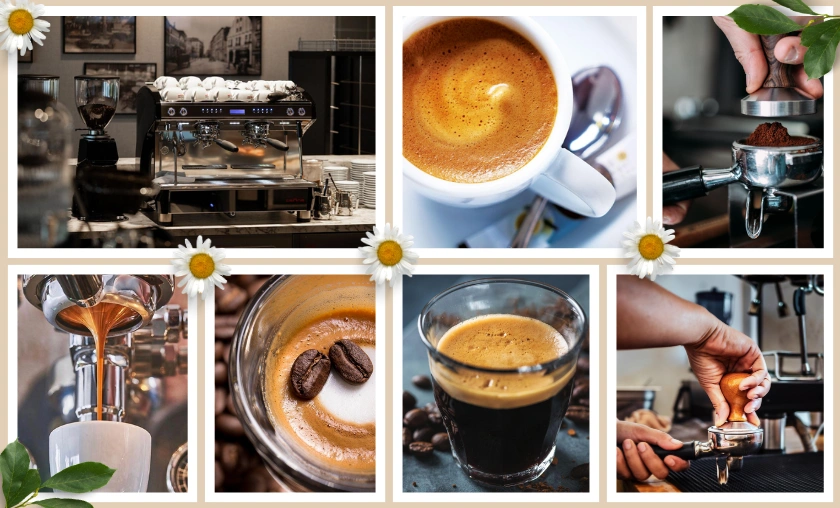
 Start by heating your espresso machine and cups to ensure the Coffee stays hot.Grind the espresso beans to an evenly fine consistency, about the size of table salt.Place the portafilter on the grinder’s door and fill it with freshly ground Coffee.Use a tamper to evenly compress the coffee grounds in the portafilter.Attach the portafilter to the espresso machine and start the extraction process. It should take around 25-30 seconds to brew a shot of espresso.Pour the rich, aromatic espresso into a preheated cup and serve immediately.
Espresso, known for its bold and concentrated flavor, is the essence of coffee craftsmanship. Brewed from finely ground beans and pressurized water, it’s a small but mighty shot that packs a punch of flavor and aroma. The crema, a luxurious layer of caramel-colored foam, crowns the espresso, hinting at its rich, complex taste.
Turkish Coffee
The Top 10 Best Coffee Recipes for Brewing Excellence!
List of Utensils:
List of Ingredients:
Steps for Preparation:
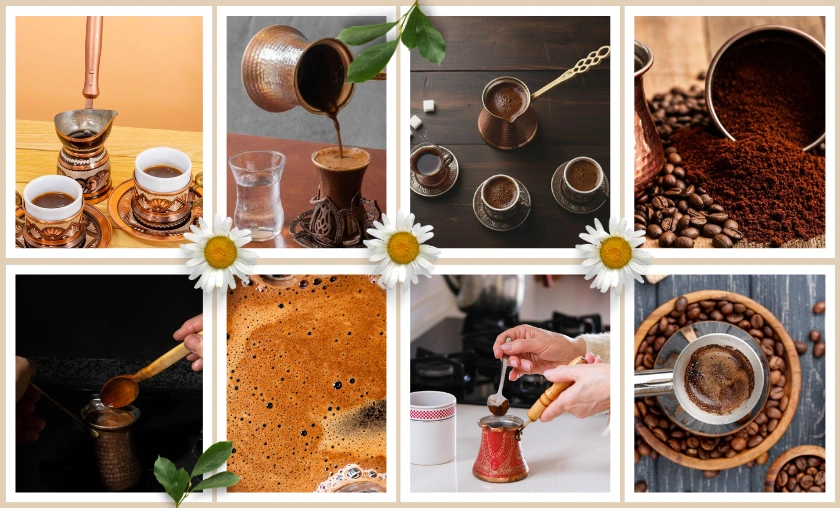
Measure one heaping teaspoon of finely ground Turkish Coffee per demitasse cup you plan to serve.Measure the cold water in the same demitasse cup you’ll use for serving. Typically, one cup of water per cup of Coffee is used, but you can adjust the sweetness by adding more or less sugar.In the cezve (small coffee pot), combine the Coffee and cold water, along with any desired sugar. Stir well to mix.Place the cezve on low heat, stirring continuously, but do not let it come to a boil.As the Coffee begins to heat, it will start to froth and form a foam on top. Keep stirring gently.Once the Coffee is hot and a thick layer of foam forms (before it boils), remove it from the heat source and let the foam settle.Place the cezve back on the heat source and repeat the process, heating and removing it from heat when it froths a second time.After the second froth, carefully pour the Coffee into demitasse cups, distributing the foam evenly.Allow the Coffee to settle for a minute before serving to let the grounds sink to the bottom.Serve Turkish Coffee with a glass of cold water as a palate cleanser.Turkish Coffee, an ancient brew with roots tracing back to the Ottoman Empire, is a timeless delight for coffee enthusiasts. This meticulous preparation method yields a strong, concentrated coffee with a rich, earthy flavor. Its unique brewing technique sets Turkish Coffee apart; the finely ground Coffee is simmered in a cezve, creating a distinctive foam that crowns each cup. This brew is traditionally enjoyed in small demitasse cups and can be sweetened to taste.
Cappuccino
The Top 10 Best Coffee Recipes for Brewing Excellence!

List of Utensils:
List of Ingredients:
Steps for Preparation:
Start by heating your espresso machine and cappuccino cups to keep the Coffee hot.Grind the espresso beans to fine consistency, similar to table salt.Place the portafilter on the grinder’s door and fill it with freshly ground Coffee.Use a tamper to evenly compress the coffee grounds in the portafilter.Pull two shots of espresso into your cappuccino cups.Froth the milk using the espresso machine’s steam wand until it reaches a creamy consistency. Optionally, a thermometer ensures the milk reaches around 150°F (65°C).Pour the frothed milk over the espresso shots, holding back the foam with a spoon to create a layered effect.Top with a dollop of foam and sprinkle with cocoa powder or chocolate shavings for garnish if desired.Cappuccino, a classic Italian coffee creation, is a delightful espresso and frothed milk symphony. It’s a beverage that embodies balance, with the intense richness of espresso elegantly mellowed by the silky, velvety texture of steamed milk. The result is a harmonious blend that tickles the taste buds with its bittersweet notes and a luxurious crown of microform.
Colombian Coffee
The Top 10 Best Coffee Recipes for Brewing Excellence!
List of Utensils:
List of Ingredients:
Steps for Preparation:
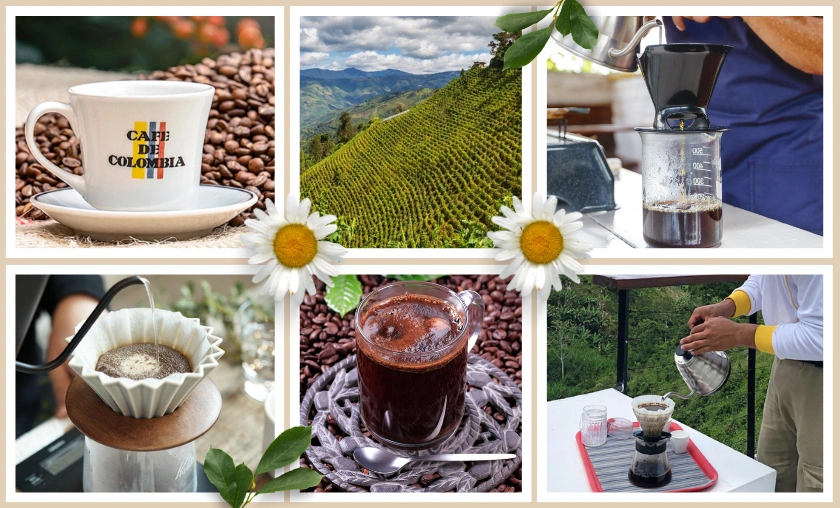
Start by selecting your brewing method. Popular options include drip coffee makers, French presses, pour-over, or espresso machines.If using whole Colombian coffee beans, grind them to the appropriate coarseness for your chosen brewing method. A medium grind is typically suitable for drip coffee, while French press requires a coarser grind.Measure the coffee grounds based on your desired coffee-to-water ratio. A general guideline is about 1 to 2 tablespoons of Coffee per 6 ounces of water, but you can adjust this to your taste.Boil water in a kettle or water heater, and let it cool slightly for a moment to achieve the optimal brewing temperature of around 195-205°F (90-96°C).Place the coffee filter (if using the drip method) in the basket or pour-over cone.Add the measured coffee grounds to the filter or the appropriate coffee receptacle in your chosen brewing method.Slowly pour the hot water over the coffee grounds, making sure they are evenly saturated. For pour-over or drip methods, use a circular motion while pouring.Allow the Coffee to brew for the appropriate time for your method. Typically, it takes 4-5 minutes for drip coffee, 3-4 minutes for French press, and varies for other methods.After brewing, remove the coffee grounds or press down the plunger in a French press to separate the Coffee from the grounds.Pour your freshly brewed Colombian Coffee into a cup or mug. Add sugar or milk if desired.Colombian Coffee, renowned as one of the world’s finest coffee varieties, is a true testament to Colombia’s coffee-growing heritage. Grown in the lush, mountainous regions of the country, Colombian coffee beans are known for their exceptional quality, medium body, and well-balanced flavor profile. A cup of Colombian Coffee often boasts a delightful combination of mild acidity, nutty undertones, and a subtle sweetness, making it a versatile choice for both black coffee enthusiasts and those who prefer it with cream and sugar.
Mocha
The Top 10 Best Coffee Recipes for Brewing Excellence!

List of Utensils:
List of Ingredients:
Steps for Preparation:
Begin by heating your espresso machine and mocha cups to keep the Coffee hot.Grind the espresso beans to a fine consistency, similar to table salt.Place the portafilter on the grinder’s door and fill it with freshly ground Coffee.Use a tamper to evenly compress the coffee grounds in the portafilter.Pull two shots of espresso into each mocha cup.In a separate saucepan or microwave-safe container, heat and mix the unsweetened cocoa powder or chocolate syrup with a small amount of hot water until you have a chocolate sauce.Froth the milk using the espresso machine’s steam wand until it reaches a creamy consistency. Optionally, a thermometer ensures the milk reaches around 150°F (65°C).Add the chocolate sauce to the espresso, stirring well to combine.Pour the frothed milk into the mocha cups, blending it with the chocolate espresso mixture.Optionally, top with whipped cream and garnish with chocolate shavings or cocoa powder.Mocha, a beloved coffee concoction, marries the robust flavors of espresso with the indulgence of chocolate. It’s a delightful fusion that awakens the senses with its dual essence of caffeine and cocoa. The rich, dark notes of freshly brewed espresso harmonize beautifully with the sweet and slightly bitter chocolate, creating a decadent treat for the taste buds.
Irish Coffee
The Top 10 Best Coffee Recipes for Brewing Excellence!

List of Utensils:
List of Ingredients:
Steps for Preparation:
Start by brewing a strong cup of Coffee using your preferred method. Ensure it’s piping hot.You can add brown sugar to taste if you like your Irish Coffee sweetened. Stir until the sugar has dissolved.Pour a shot (1.5 oz) of Irish whiskey into a heat-resistant glass or stainless steel pitcher.Pour the hot Coffee into the same pitcher with the whiskey and stir to combine. Make sure the Coffee and whiskey are well mixed.Carefully pour the Irish Coffee into a heat-resistant glass or coffee mug.If you want to add whipped cream, use a whipped cream dispenser or hand mixer to whip the heavy cream until it’s thick but still pourable.Gently float the whipped cream on top of the Coffee by pouring it over the back of a spoon or using an Irish coffee spoon.Optionally, you can sprinkle a little brown sugar or nutmeg on top of the whipped cream for added flavor and presentation.Irish Coffee is a beloved classic known for its harmonious blend of strong Coffee and the warmth of Irish whiskey, creating a delightful marriage of flavors. This iconic drink, originating in Ireland, offers a comforting and spirited experience, perfect for both chilly evenings and social gatherings. The magic begins with freshly brewed hot Coffee, to which a generous shot of Irish whiskey is added, imparting a gentle kick and a touch of sweetness.
Latte
The Top 10 Best Coffee Recipes for Brewing Excellence!

List of Utensils:
List of Ingredients:
Steps for Preparation:
Begin by heating your espresso machine and latte glasses or mugs to keep the Coffee hot.Grind the espresso beans to a fine consistency, similar to table salt.Place the portafilter on the grinder’s door and fill it with freshly ground Coffee.Use a tamper to evenly compress the coffee grounds in the portafilter.Pull one or two espresso shots into each latte glass or mug, depending on your preference.Froth the milk using the espresso machine’s steam wand until it reaches a creamy, velvety consistency. Optionally, a thermometer ensures the milk reaches around 150°F (65°C).Slowly pour the frothed milk into the espresso, holding back the foam with a spoon to create a layered effect.Optionally, use latte art tools to create decorative designs on the foam.The Latte, an Italian word for “milk,” is the epitome of Coffee’s harmonious union with creamy goodness. This beverage combines espresso’s intense, full-bodied flavor with the comforting embrace of steamed milk. It’s a delicate dance of contrasting elements—the robust, dark Coffee intertwines gracefully with the silky, warm milk, resulting in a soothing and invigorating drink.
Greek Coffee
The Top 10 Best Coffee Recipes for Brewing Excellence!

List of Utensils:
List of Ingredients:
Steps for Preparation:
Measure one heaping teaspoon of finely ground Greek Coffee per coffee cup. Adjust for taste preferences, but remember that Greek Coffee is traditionally strong.Measure the cold water using the same coffee cup. Typically, one cup of water per cup of Coffee is used.Optionally, add sugar to taste. Traditionally, Greek Coffee can be made sweet (glykós), semi-sweet (metri glykós), or without sugar (skétos).If you prefer, you can also add a few crushed cardamom pods for flavor. This is a common variation called “kardemummilos.”Pour the coffee grounds, water, and sugar (if using) into the briki.Stir the mixture well to combine all the ingredients.Place the briki on low heat. Allow the Coffee to slowly come to a simmer. Do not stir after this point.As the Coffee heats, it will begin to foam. The foam should start forming at the edges of the briki.Just before the Coffee boils over, remove it from the heat source. Allow the foam to settle.Place the bike back on the heat source and let it foam again. Repeat this process one more time.After the third foaming, pour the Coffee into the small coffee cups. The coffee grounds will settle at the bottom of the cup.Allow the Coffee to cool for a minute before enjoying it. It’s customary not to stir the Coffee once it’s poured.Greek Coffee, a cherished tradition in Greece and beyond, is a small but mighty brew that encapsulates the essence of Greek culture. Made in a special pot called a briki, this Coffee boasts finely ground beans and a rich, full-bodied flavor. The preparation of Greek Coffee is an art, as it involves a slow simmer and a unique three-step foaming process, creating a velvety texture and thick foam.
Cold Brew
The Top 10 Best Coffee Recipes for Brewing Excellence!

List of Utensils:
List of Ingredients:
Steps for Preparation:
Start with coarsely ground coffee beans. If using whole beans, grind them to a coarse consistency, similar to breadcrumbs.Combine the coarsely ground coffee with cold, filtered water in a large jar or pitcher. The general ratio is 1 cup of coffee grounds to 4 cups of cold water, but you can adjust to taste.Stir the Coffee and water mixture until well combined, making sure all the coffee grounds are saturated.Cover the jar or pitcher and let the Coffee steep at room temperature for an extended period. A common steeping time is 12-24 hours, depending on your preference for strength.After the steeping period, strain the Coffee to remove the grounds. For this step, you can use a fine mesh strainer, cheesecloth, or a cold brew filter bag. If you use a filter bag, lift it out of the container.If there’s still some sediment or fine ground in the Coffee, you can filter it again using a coffee filter.The resulting cold brew concentrate can be stored in the refrigerator for up to two weeks.To serve, dilute the cold brew concentrate with cold water or ice to your preferred strength. A common ratio is 1 part concentrate to 2 parts water or milk.Sweeten and add milk or cream if desired.Cold Brew, a beloved summertime favorite, is a refreshing coffee beverage that captures the essence of slow brewing and chilled relaxation. Steeping coarsely ground coffee beans in cold water for an extended period, typically 12-24 hours, yields a smooth, less acidic coffee concentrate. This method brings out the Coffee’s natural sweetness and nuanced flavors, resulting in a gentle, aromatic brew that can be enjoyed over ice or blended with milk and sweeteners to suit individual tastes.
Ristretto
The Top 10 Best Coffee Recipes for Brewing Excellence!

List of Utensils:
List of Ingredients:
Steps for Preparation:
Begin by heating your espresso machine and espresso cups to ensure the Coffee stays hot.Grind the espresso beans to an even finer consistency than traditional espresso, resembling fine sand.Place the portafilter on the grinder’s doser and fill it with the finely ground Coffee.Use a tamper to firmly compress the coffee grounds in the portafilter, applying slightly more pressure than usual.Attach the portafilter to the espresso machine and start the extraction process. However, you’ll use less water and a shorter extraction time for a ristretto than a regular espresso shot. Aim for about half the volume of a typical espresso shot.The ristretto shot should take less time to brew, typically around 15-20 seconds.Pour the concentrated ristretto into a preheated espresso cup and serve immediately.Ristretto, a condensed coffee delight, is the epitome of espresso intensity. Derived from the Italian word “ristringere,” meaning “to restrict” or “to tighten,” this Coffee is a shorter and more concentrated version of its espresso counterpart. The key to a perfect ristretto lies in the meticulous preparation – finely ground beans, a tighter tamper, and a shorter extraction time result in a beverage that’s rich, full-bodied, and bursting with flavor.
Conclusion
Coffee, in all its forms, continues to enchant, inspire, and unite people around the globe. Whether you prefer the simplicity of a pour-over or the complexity of a meticulously crafted latte art masterpiece, one thing remains clear: Coffee is more than just a drink; it’s an experience, a ritual, and a source of comfort. As we raise our cups to toast these top-tier Coffee and its delightful recipes, we celebrate this caffeinated elixir’s versatility and cultural significance. May your coffee moments be rich, your brews be exceptional, and your appreciation for this beloved beverage grow with each sip.
FAQ’s (Frequently Asked Questions)
Drinking too much coffee can lead to adverse effects like increased heart rate, anxiety, digestive discomfort, and may exacerbate certain health conditions. Moderation is crucial.
Consuming coffee, especially in the afternoon or evening, can interfere with sleep patterns due to its caffeine content. It’s advisable to limit coffee intake in the hours leading up to bedtime.
Moderate coffee consumption has been linked to various potential health benefits, including improved alertness, a reduced risk of some diseases (e.g., Parkinson’s, type 2 diabetes), and enhanced cognitive function.
Coffee contains caffeine, which can be habit-forming. Regular consumption may lead to mild dependence, and abrupt cessation can cause withdrawal symptoms like headaches and fatigue.
A standard 8-ounce (240 mL) cup of brewed coffee contains around 95 milligrams of caffeine, but this amount can vary based on factors like the brewing method and type of coffee bean.
Subscribe to our list
Don't worry, we don't spam
To read more similar articles, click here
Thanks for visiting our Website. If you appreciate our work, kindly show us some support in our comments section 🙂